The core principle behind scraper design lies in ensuring the efficient and uniform removal of sediment from the tank bottom, while simultaneously maintaining the clarity and stability of the supernatant liquid. The design process typically begins with the physical dimensions of the tank-including its diameter, depth, and bottom profile. The length, number, and angle of the scraper arms must be optimized relative to the tank diameter and sediment thickness to ensure that the scraper blades cover the entire tank floor, thereby preventing dead zones and the accumulation of sludge. Tank bottoms may be designed as flat, conical, or rounded profiles; the scraping mechanism is then custom-engineered to suit the specific bottom geometry, facilitating continuous sludge discharge.
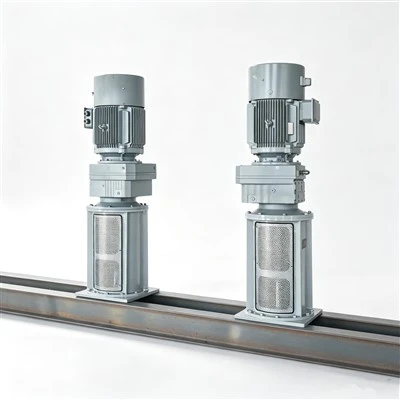
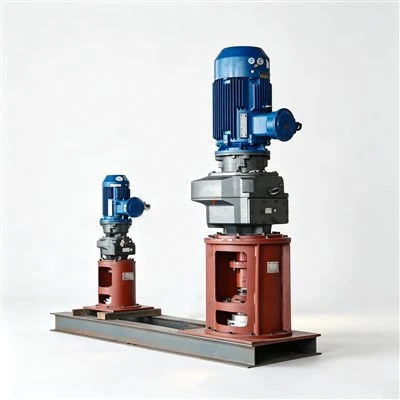
The design of the scraper's drive and transmission systems constitutes another critical aspect. The equipment typically employs an electric motor coupled with a gearbox and drive shaft to achieve low-speed, high-torque operation. The drive system must be engineered to handle the specific scraping load requirements while ensuring smooth operation, thereby minimizing vibration and noise. Modern scrapers are frequently equipped with variable frequency drive (VFD) systems and PLC controls, enabling the automatic adjustment of scraper speed in response to fluctuations in liquid levels and sediment thickness; this capability enhances sludge removal efficiency and conserves energy.
Material selection and structural integrity are equally vital aspects of scraper design. The tank structure, support framework, and central column must possess sufficient strength to withstand both the mechanical scraping loads and the dynamic forces exerted by the liquid medium; concurrently, corrosion-resistant and wear-resistant materials are selected to maximize the equipment's service life. The scraper blades and arms are typically fabricated from wear-resistant steel or composite materials, often fitted with rubber liners to minimize abrasion against the tank floor. The design of seals and bearings is engineered to ensure long-term operational reliability while facilitating ease of disassembly and maintenance. The overall design prioritizes safety, durability, and efficiency, ensuring that the equipment can operate stably and reliably over extended periods across diverse sectors, including water treatment, mining, chemical processing, and environmental protection.