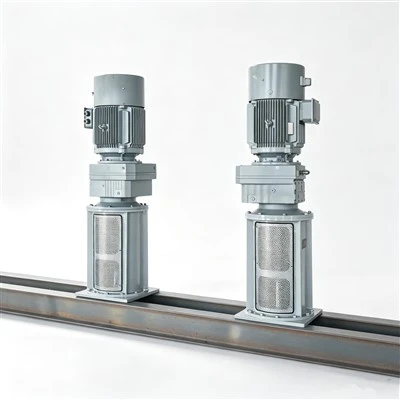
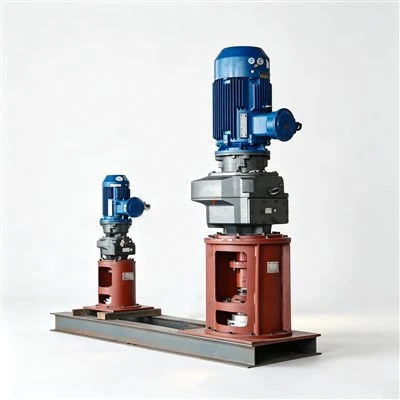
When selecting a thickener, the primary considerations are the material characteristics and processing requirements. Factors such as the material's particle size distribution, solids content, viscosity, and specific gravity directly influence the settling velocity and thickening efficiency. For materials with larger particles and rapid settling rates, a standard gravity thickener may suffice; however, for fine-grained or highly viscous materials, the use of flocculants or a high-efficiency thickener is necessary. Furthermore, it is essential to clearly define the required throughput and feed concentration to ensure the equipment can meet daily production demands while maintaining effective solid-liquid separation.
Attention must also be paid to the equipment's structural design and operating parameters. The thickener's diameter, height, type of rake or screw conveyor mechanism, liquid level, and overflow launder design all impact settling efficiency and underflow concentration. During the selection process, appropriate rake speeds, agitation methods, and discharge mechanisms should be chosen based on the material properties and process requirements to ensure uniform discharge of the thickened slurry and clarity of the overflow liquid. Additionally, process conditions-such as temperature, pressure, and corrosion resistance-must be taken into account to guarantee the equipment's long-term, stable operation.
Operating costs and ease of maintenance are also critical factors to consider. Although high-efficiency thickeners typically entail a higher initial investment, they enhance solid-liquid separation efficiency, conserve water, and reduce energy consumption in downstream processing, making them more economically viable in the long run. Moreover, factors such as ease of inspection and repair, the replaceability of impellers and bearings, the level of automation control, and the manufacturer's after-sales support serve as key reference criteria during the selection process. By comprehensively evaluating equipment performance, process adaptability, investment costs, and maintenance convenience, one can ensure the selection of a thickener that not only meets production requirements but also achieves economical and efficient operation.