Peripheral drive thickener | Engineering and procurement guide
A peripheral drive thickener is a solid-liquid separation system that uses gravity settling to concentrate suspended solids and produce clarified overflow. A drive unit travels along the tank perimeter and operates the rake mechanism, which moves settled solids toward the central underflow collection point.
The equipment is used in water treatment, wastewater treatment, mineral processing, and industrial process applications where continuous thickening and clarification are required.
Key equipment features
- Peripheral drive system: A perimeter-mounted traction drive operates the rake mechanism according to the selected equipment configuration.
- Rake assembly: Rake arms and blades guide settled solids toward the underflow collection point.
- Tank interface: Equipment dimensions and support arrangements are coordinated with the tank structure and civil design.
- Project-specific engineering: Drive configuration, materials, controls, and protective coatings are selected according to process conditions and site requirements.
-
![Large Capacity Thickener]() Large Capacity ThickenerThe Large Capacity Thickener is an industrial piece of equipment designed for solid-liquid separation and slurry thickening. It is widely used in mineral processing, metallurgy, chemical production, environmental protection, and...view more
-
![Peripheral Transmission Thickener]() Peripheral Transmission ThickenerThe Peripheral Transmission Thickener is a large-scale solid-liquid separation and thickening piece of equipment designed based on the gravity sedimentation principle. It features a drive structure arranged around the tank body to drive...view more
-
![Environmental Protection Thickener]() Environmental Protection ThickenerThe core advantage of the Environmental Protection Thickener lies in its integration of environmental and economic benefits. Featuring high solid-liquid separation efficiency, the equipment yields clear overflow water that can be...view more
-
![Energy Saving Thickener]() Energy Saving ThickenerThe core strengths of the Energy Saving Thickener lie in low energy consumption and high cost performance. Equipped with an energy-saving transmission system, the equipment operates at low power, greatly reducing long-term power...view more
-
![Peripheral Drive High Efficiency Thickener]() Peripheral Drive High Efficiency ThickenerPeripheral Drive High Efficiency Thickener is core solid-liquid separation equipment. It adopts peripheral drive structure and is suitable for large-diameter concentration tanks. The equipment is mainly used for concentration and...view more
-
![Sludge Thickening Thickener]() Sludge Thickening ThickenerOur company specializes in manufacturing Sludge Thickening Thickener, a core environmental protection equipment for solid-liquid separation by gravity sedimentation. It reduces sludge moisture content and volume, supporting subsequent...view more
-
![Large-scale Thickener]() Large-scale ThickenerAs a professional manufacturer of large-scale thickeners, we rely on mature production processes and R&D capabilities to create efficient, stable and energy-saving large-scale thickeners suitable for large-scale industrial production....view more
-
![Wastewater Treatment Thickener]() Wastewater Treatment ThickenerOur company specializes in manufacturing the Wastewater Treatment Thickener, a core piece of equipment for solid-liquid separation and concentration in wastewater treatment processes.view more
-
![Industrial Thickener]() Industrial ThickenerWe are the manufacturer of the Industrial Thickener, a large-scale solid-liquid separation device built on the principle of gravity sedimentation. This equipment concentrates low-density slurry or mud into high-density underflow and is...view more


Applications and operating conditions
Peripheral drive thickeners can be specified for different industrial processes, subject to feed characteristics, solids loading, settling performance, and required overflow quality.
Municipal water and wastewater treatment
Used for sludge thickening and clarification processes. Selection depends on hydraulic loading, suspended solids concentration, sludge characteristics, and the required underflow concentration.


Mining and mineral processing
Used for tailings thickening, concentrate thickening, and process water recovery. Design considerations include solids throughput, slurry density, particle characteristics, and the required underflow properties.
Industrial wastewater treatment
Applied to suitable industrial effluents and process streams containing suspended solids. Feed chemistry, temperature, corrosion conditions, and solids settling characteristics should be evaluated before selecting wetted materials and equipment configurations.


Operating conditions to confirm
Feed flow rate, solids concentration, temperature, pH, slurry properties, ambient conditions, and required process performance should be specified during the engineering stage. Material selection and equipment configuration must be verified against the actual operating conditions.
Drive system and rake configuration
The drive and rake arrangement should be selected according to tank geometry, solids loading, underflow requirements, and the mechanical loads expected during operation.
Peripheral drive assembly
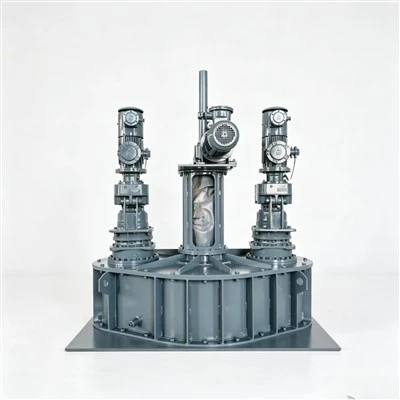
The drive assembly travels along the tank perimeter and transmits motion to the rake mechanism. The support arrangement, drive wheels, rail or running surface, and number of drive units depend on the selected design.
Motor and gearbox
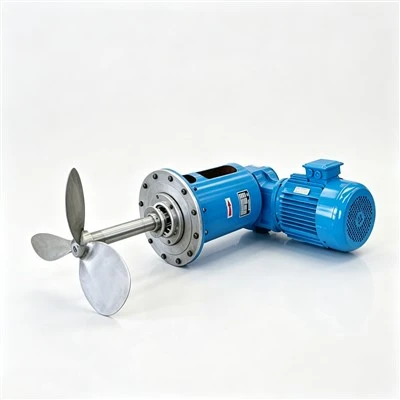
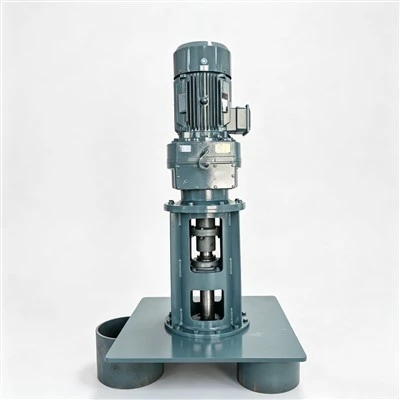
The motor and gearbox are selected to provide the required drive speed and torque for the specified operating conditions. Variable-frequency control, torque protection, and overload monitoring can be considered where supported by the equipment design.
Rake arms and blades
Rake arms carry blades that move settled solids toward the central underflow collection point. Arm construction, blade arrangement, and rake geometry should be matched to the tank dimensions and process requirements.
Rake lifting mechanism
A rake lifting system may be considered where the process and mechanical design require it. The lifting method, travel range, operating limits, and control arrangement should be confirmed for the selected model.
Configuration selection
Bridge or support arrangements, drive units, rake structures, and optional lifting mechanisms should be confirmed against the approved equipment drawings. Not every configuration is applicable to every peripheral drive thickener.
Technical specifications
Final specifications should be established from the process design, tank drawings, and operating requirements. The following table identifies the principal parameters for technical evaluation and quotation.
|
Parameter |
Specification basis |
|
Tank diameter |
Project tank dimensions |
|
Tank sidewall depth |
Civil and process design |
|
Tank bottom slope |
Confirmed tank drawing |
|
Drive configuration |
Selected peripheral drive arrangement |
|
Drive motor power |
Calculated from the selected design |
|
Drive torque |
Required operating and design torque |
|
Drive speed |
Required operating range and control method |
|
Rake configuration |
Arm structure, blade arrangement, and geometry |
|
Rake lifting system |
Required or optional, according to design |
|
Wetted materials |
Selected according to slurry chemistry and temperature |
|
Protective coating |
Specified according to exposure and corrosion requirements |
|
Weir and baffle materials |
Selected according to process and site conditions |
|
Electrical supply |
Site voltage, frequency, and control requirements |
|
Control system |
Local control and plant integration requirements |
Available configurations and allowable operating ranges should be confirmed for each model. Project-specific values should be included in the technical proposal rather than inferred from a general product description.
Accurate equipment selection requires both process data and civil interface information. Providing the following details helps the engineering team evaluate the proposed configuration.
Hydraulic and process data
Design and peak flow rates, feed solids concentration, expected solids loading, required overflow quality, and target underflow concentration.
Feed and slurry characteristics
Solids specific gravity, particle size distribution, settling characteristics, slurry temperature, chemical composition, and flocculant or coagulant requirements. Existing settling test results can be provided where available.
Tank and civil interface
Tank diameter, sidewall depth, bottom slope, center support or pier arrangement, perimeter running surface, foundation details, and available installation space.
Mechanical and electrical requirements
Available power supply, required control interfaces, site environmental conditions, maintenance access, and any applicable project specifications.
Design verification
The final selection should be based on the combined hydraulic, solids-loading, settling, mechanical, and civil requirements. Tank diameter alone is not sufficient to establish thickening capacity or underflow performance.
Customization and project design
Equipment configuration should be coordinated with the process design, site layout, and project specifications.
Mechanical configuration
Drive arrangement, support structure, rake geometry, materials, and maintenance access can be evaluated against the approved tank and equipment drawings.
Electrical and control integration
Motor control, variable-frequency drives, local control panels, instrumentation, and plant control interfaces should be specified according to the project requirements and available equipment options.
Feedwell and process interface
Feedwell geometry and internal flow-control arrangements should be coordinated with the process design. Final dimensions and configuration depend on feed characteristics, tank geometry, and the required settling conditions.
Site and installation requirements
Equipment interfaces, lifting and installation arrangements, access platforms, handrails, and applicable safety requirements should be confirmed during engineering. Any required structural, wind, or seismic calculations must be addressed according to the project scope and applicable codes.
Manufacturing capabilities and quality control
Manufacturing and inspection requirements should be defined according to the approved drawings, material specifications, and project quality plan.
Fabrication and machining
Structural fabrication, machining, and component assembly should follow the applicable drawings and manufacturing procedures. Critical dimensions and interfaces should be inspected against specified tolerances.
Surface preparation and coating
Surface preparation, coating materials, application procedures, and dry-film thickness requirements should be defined according to the project specification and service environment. Inspection records should be available where required by the agreed quality plan.
Mechanical inspection and testing
Drive assemblies, gearboxes, rake components, and control devices should undergo the inspections and functional checks specified for the equipment. The scope of factory testing should be confirmed before order placement.
Welding and non-destructive testing
Welding procedures, welder qualifications, and non-destructive testing should follow the applicable project requirements. Inspection methods, acceptance criteria, and documentation should be agreed during technical review.
Inspection reports, material certificates, and test records can be included in the delivery documentation where specified in the contract.
Engineering standards and certifications
Applicable standards depend on the equipment design, project location, contractual requirements, and supplied components.
Mechanical and structural design
Design codes and calculation methods should be identified in the project documentation according to the selected equipment configuration and applicable requirements.
Welding and fabrication
Applicable welding procedures, personnel qualifications, inspection methods, and acceptance criteria should be specified in the manufacturing quality plan.
Quality management
Manufacturing quality management certifications should be stated only where valid certificates are available and their scope covers the relevant activities.
Electrical and safety requirements
Motor protection, control panels, hazardous-area requirements, and site safety provisions should be specified according to the installation environment and applicable regulations.
Standards compliance and certification claims should be confirmed against the actual certificates, approved design documents, and project requirements.
Project supply and delivery
Clear technical documentation and component identification help coordinate equipment procurement, installation, and project handover.
Packaging and transport protection
Packaging should be selected according to component dimensions, transport method, storage conditions, and destination. Machined surfaces and electrical components should receive appropriate protection for the expected transport and storage environment.
Equipment identification
Major components can be identified against the approved assembly drawings and packing list to support receipt inspection and installation.
Technical documentation
The supply documentation should be agreed before order placement and may include the following items where applicable:
- General arrangement drawings
- Foundation and interface data
- Equipment assembly drawings
- Electrical schematics and control documentation
- Installation and maintenance instructions
- Material certificates and inspection records
- Factory test reports
Delivery coordination
Manufacturing schedule, inspection hold points, shipping arrangements, and required documentation should be confirmed in the purchase order and project schedule.
FAQ and request a quote

Request a technical proposal
To evaluate a suitable peripheral drive thickener configuration, please provide the following information:
Process requirements
Design and peak flow rate
Feed solids concentration and solids loading
Target underflow concentration
Required overflow quality
Slurry composition and settling characteristics
Tank and site information
Tank diameter, sidewall depth, and bottom slope
Tank drawings and support arrangement
Site conditions and available electrical supply
Project requirements
Required materials and coating specifications
Control and instrumentation requirements
Applicable standards and inspection requirements
Project schedule and delivery destination
Based on the available information, the equipment supplier can review the design conditions, confirm the applicable configuration, identify outstanding technical questions, and prepare a project-specific quotation.
Shandong Ningye Machinery Equipment Co., Ltd. is one of the most reliable peripheral drive thickener manufacturers and suppliers in China. With abundant experience, we warmly welcome you to buy discount peripheral drive thickener made in China here from our factory. Quality products and low price are available.
Industrial Thickener, Peripheral Drive High Efficiency Thickener, peripheral drive thickener