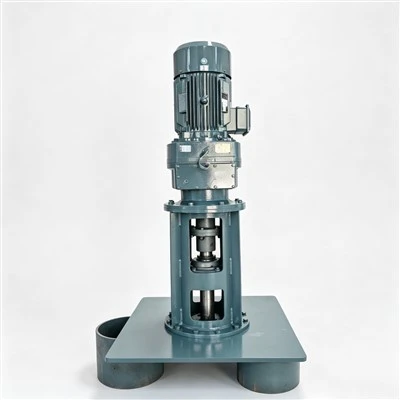
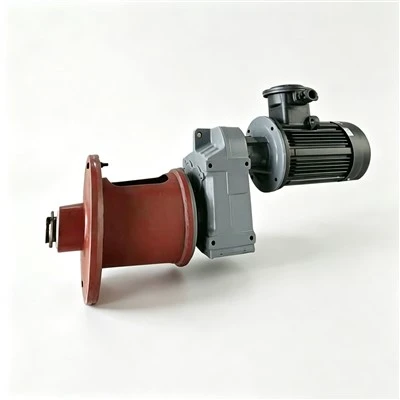
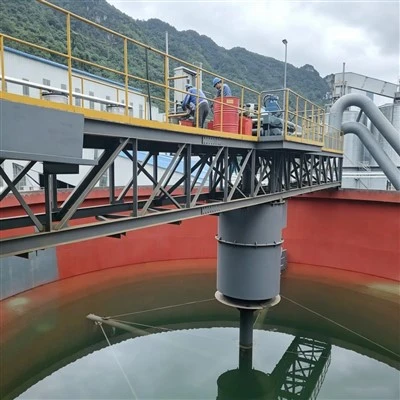
The degree of interference exerted by tank‑surface floating debris on Wastewater Treatment Sludge Scraper operation is determined by debris type, quantity and shape. Tiny floating impurities in small quantities barely exert any adverse influence, while massive large‑size or winding fibrous debris gives rise to varying degrees of operational interference. These interferences are highly manageable and can be fully eliminated via simple pre‑treatment measures.
Under regular working scenarios, lightweight fine impurities such as foam and tiny suspended particles floating on tank surfaces will not disrupt normal equipment operation. Small and light‑weight, these impurities drift and disperse with water flow and fail to adhere to or twine around equipment components. They will not block the travel path of scraper arms and blades. Since the sludge scraper mainly targets tank‑bottom sludge layers, its working zone hardly overlaps with areas holding fine surface‑floating impurities. Sludge‑scraping tasks can be accomplished smoothly without losses in efficiency or sedimentation outcomes.
Interferences mostly originate from winding, bulky and dense floating debris which requires pre‑treatment in practical wastewater‑treatment settings. Fibrous substances including cloth strips, ropes, plastic filaments and waterweed vines feature high flexibility and strong winding tendencies. During equipment operation, they readily wrap around moving parts such as scraper arms, scraper blades and rotating shafts. Wrapping debris tightens and piles up as the equipment keeps running, raising operational resistance, triggering component jamming and uneven stress, and undermining the uniformity and stability of sludge‑scraping performance.

Large‑size hard floating debris such as tree branches, plastic blocks and bulky residues physically obstruct the travel of scraper components and cause mechanical stalling. Partial zones are left uncleaned with residual sludge accumulation, which significantly lowers overall sludge‑scraping efficiency. Dense debris piles may alter local force distribution on the equipment and lead to offset and shaking during movement, impairing long‑run operational stability. Dense floating sludge and foam covering tank surfaces can also slightly hamper component movement and smooth operation.
It is worth noting that such interferences stem from external debris instead of intrinsic equipment drawbacks and can be prevented in advance. Large‑size and winding floating debris should be fished out prior to sludge‑scraper startup, and floating impurities should be cleared through routine inspections. As a whole, the sludge scraper features decent anti‑debris‑interference performance and adapts to conventional wastewater conditions. Provided that basic pre‑treatment of tank‑surface floating debris is implemented, high‑efficiency and steady sludge‑scraping performance can be maintained without operational malfunctions or efficiency losses.