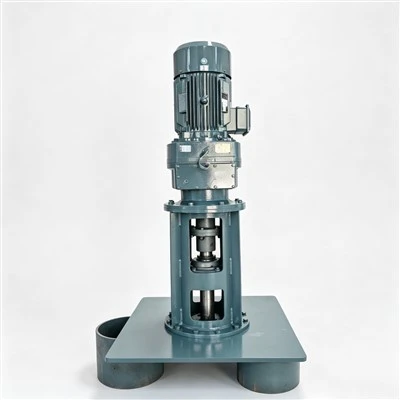
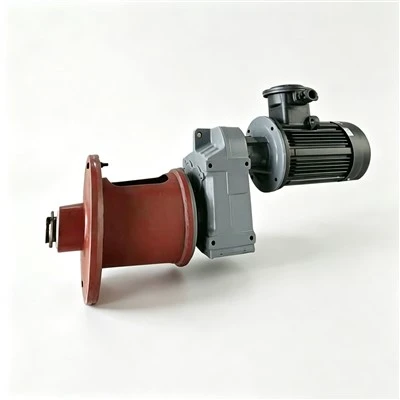
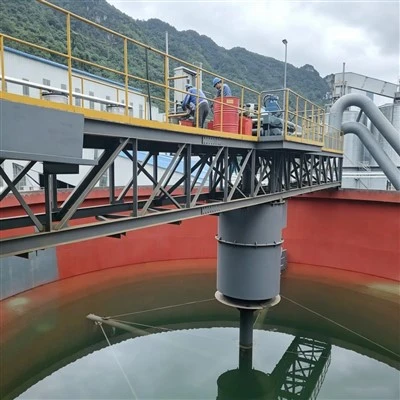
During the operation of a Sedimentation Tank Sludge Scraper, attention should be paid to the equipment itself, the condition of the sedimentation tank, and the surrounding operating environment. Regular observation and timely maintenance can help reduce operating problems and maintain stable sludge collection.
First, the scraper should be monitored for smooth operation. During normal operation, the Sedimentation Tank Sludge Scraper should move according to its intended operating method. If the equipment becomes noticeably stuck, stops unexpectedly, moves abnormally, or operates intermittently, the condition should be investigated promptly. In particular, abnormal noise or vibration should not be ignored, as these symptoms may be associated with moving components, drive components, or foreign objects inside the tank.
Second, the sludge accumulation inside the tank should be observed. One of the primary functions of a Sedimentation Tank Sludge Scraper is to collect settled sludge and move it toward the sludge collection area. Therefore, operators can observe the distribution of sludge at the tank bottom and the sludge removal condition to determine whether the equipment is performing properly. If sludge continuously accumulates in certain areas or significant resuspension occurs during scraping, the operating condition and sludge characteristics should be investigated further.
The scraper blades and other moving components should also be monitored. Scraper blades remain in contact with sludge and move continuously during operation, so they may become worn, loose, or affected by foreign objects. During routine inspections, operators should check for obvious deformation, loose connections, or abnormal wear. Any problems should be addressed promptly to prevent minor issues from affecting the overall operation of the equipment.
The sludge removal process should not be overlooked. After the scraper collects sludge in the designated sludge collection area, the sludge must be removed efficiently through the subsequent sludge removal process. If sludge removal is obstructed, sludge may continue to accumulate even when the scraper itself is operating normally. Therefore, the sludge discharge process should be monitored together with the sludge accumulation inside the tank.
The surrounding operating area should also be kept clean and free of objects that could enter the scraper's moving range. Personnel should be aware of the mechanical hazards associated with moving equipment and should not touch, cross, or approach moving components while the Sedimentation Tank Sludge Scraper is operating. When cleaning, inspecting, or maintaining the equipment, personnel should follow the applicable safety procedures at the site.
Routine operating records are also useful. Operators can record equipment operating conditions, abnormal noise, vibration, sludge accumulation, and sludge removal conditions. Over time, these records can help identify changes in equipment performance and reveal potential problems at an early stage.
If the Sedimentation Tank Sludge Scraper develops an obvious abnormality during operation, it should be handled according to the applicable operating procedures. If necessary, the equipment should be stopped and inspected to determine the cause rather than continuing to operate it under abnormal conditions.
By combining routine equipment inspections, observation of sludge conditions, sludge removal checks, and safe operating practices, operators can help maintain stable and reliable operation of the Sedimentation Tank Sludge Scraper.