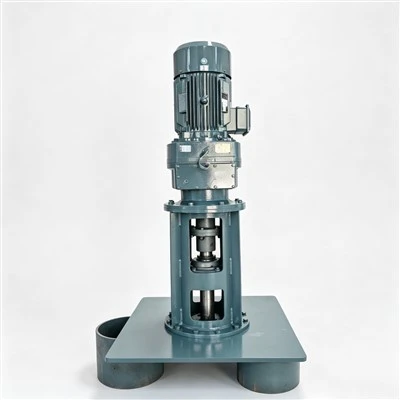
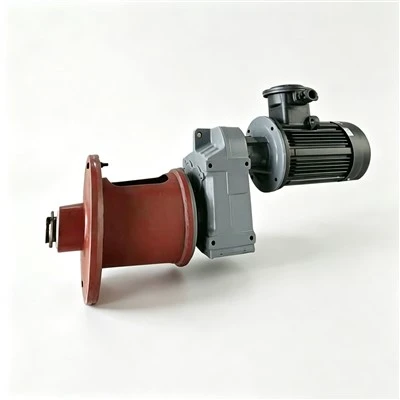
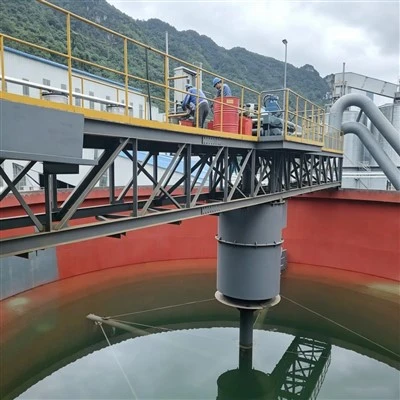
The scraper blades of a Sedimentation Tank Sludge Scraper should be inspected regularly because they operate continuously in an environment involving sludge, water, and mechanical movement. As operating time increases, the scraper blades and their connection points may experience wear, loosening, deformation, or the accumulation of foreign material. Therefore, regular inspection is an important part of routine maintenance.
First, the overall condition of the scraper blades should be checked. During an inspection, operators should look for obvious deformation, damage, excessive wear, or other abnormalities. If the scraper blades are significantly damaged or deformed, certain areas of the tank bottom may not be scraped effectively, resulting in localized sludge accumulation. Regular inspection helps identify these changes at an early stage.
Second, the connections between the scraper blades and their associated components should be checked. The scraper blades need to remain securely positioned to collect sludge effectively. If a connection becomes loose, the scraper blade may move or shift during operation, which can reduce scraping performance. In more serious cases, loose components may contribute to abnormal equipment operation. Therefore, inspections should cover both the scraper blades themselves and their connection points.
Attention should also be paid to sludge, debris, and other materials that may accumulate on the scraper blades. After long-term operation, certain materials may adhere to the scraper components. Excessive buildup can interfere with normal operation and reduce scraping effectiveness. Therefore, cleaning should be carried out when necessary according to actual operating conditions to keep the relevant components in proper working condition.
The condition of the scraper blades can also be evaluated by observing the actual scraping performance. If the Sedimentation Tank Sludge Scraper appears to be operating normally but sludge continues to accumulate in certain areas of the tank, the scraper blades should be inspected to determine whether they are contributing to the problem. Combining equipment performance with on-site inspection can make it easier to identify potential issues.
The inspection frequency can be determined according to operating time, sludge characteristics, tank conditions, and actual usage. Sedimentation tanks that operate for extended periods or handle large amounts of sludge or debris may require closer attention to routine inspections. In addition to scheduled inspections, the scraper blades should also be checked when abnormal noise, unstable operation, or reduced scraping performance occurs.
Safety is also important when inspecting the scraper blades. Because a Sedimentation Tank Sludge Scraper is mechanical equipment with moving components, personnel should not directly touch moving parts while the equipment is operating. When close inspection or maintenance is required, the applicable safety procedures at the site should be followed.
Overall, regular inspection of the scraper blades is not only intended to identify wear but also to understand the actual operating condition of the equipment. By checking the scraper blades, connection points, accumulated material, and actual scraping performance, potential problems can be identified at an early stage. Combined with overall equipment inspections and sludge removal checks, regular scraper blade maintenance can help maintain the stable and reliable operation of the Sedimentation Tank Sludge Scraper over the long term.