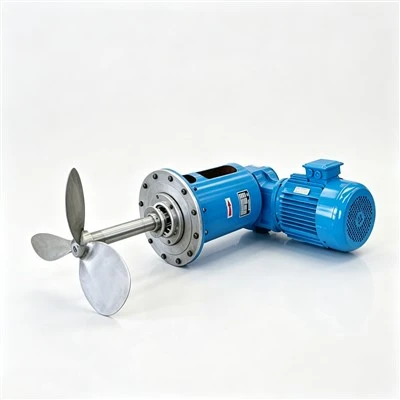
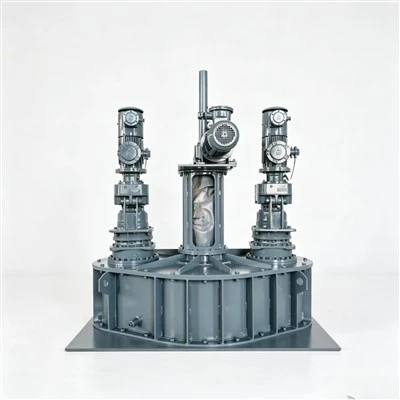
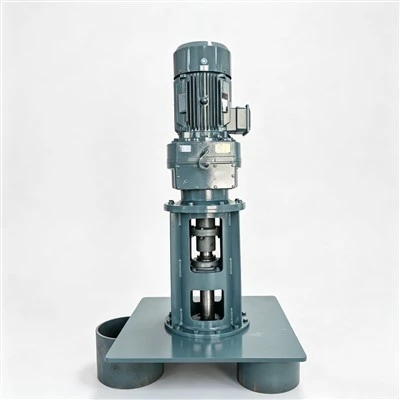
When a Sedimentation Tank Sludge Scraper leaves a significant amount of sludge at the bottom of the tank, or when obvious sludge accumulation remains in certain areas after scraping, the equipment operation, sludge condition, and sludge removal process should all be checked. Poor scraping performance does not necessarily indicate a problem with a single component. It may result from several factors occurring at the same time.
First, the amount of sludge accumulated at the bottom of the sedimentation tank should be observed. If sludge has not been removed for an extended period, the sludge layer may gradually become thicker and more difficult to move. Under these conditions, even a normally operating scraper may not be able to remove a large amount of accumulated sludge in a single operation. Therefore, sludge removal should be scheduled appropriately according to the rate of sludge generation and settling to prevent excessive accumulation.
Second, the actual operating condition of the Sedimentation Tank Sludge Scraper should be checked. If the equipment stops intermittently, becomes stuck, operates unevenly, or experiences abnormal movement in certain areas, some sections of the tank may not receive adequate scraping. In this situation, the scraper's movement path and moving components should be observed to determine whether foreign objects, mechanical abnormalities, or other factors are interfering with normal operation.
The scraper blades are another important area to inspect. If the scraper blades become worn, deformed, loose, or improperly positioned relative to the tank bottom, sludge collection performance may be affected. During long-term operation, scraper components are exposed to sludge, impurities, and continuous movement. Therefore, they should be inspected regularly according to the maintenance requirements. Any obvious abnormalities should be addressed promptly.
The characteristics of the sludge itself can also affect scraping performance. Sludge generated from different types of wastewater can vary in concentration, viscosity, and settling characteristics. Some sludge settles easily and can be collected efficiently, while other sludge may be loose, sticky, or prone to resuspension. If sludge characteristics change but the operating conditions are not adjusted accordingly, scraping performance may decline.
The sludge removal process is equally important. After the Sedimentation Tank Sludge Scraper moves sludge toward the sludge collection area, the accumulated sludge needs to be removed promptly through the subsequent sludge removal process. Otherwise, sludge may accumulate again even when the scraper is operating normally. The sludge removal system should therefore be checked to ensure that sludge can be discharged smoothly. This helps distinguish problems with sludge removal from problems with the scraper itself.
When scraping performance declines, simply increasing the operating intensity is not recommended. The underlying cause should first be identified. Operators can check the amount of sludge at the tank bottom, equipment operating condition, scraper blade condition, and sludge removal process in sequence. Keeping regular operating records can also help identify changes over time.
By continuously monitoring equipment operation and sludge conditions, operators can more accurately determine the cause of poor scraping performance and take appropriate corrective measures. This helps maintain stable operation of the sedimentation tank and ensures that the Sedimentation Tank Sludge Scraper continues to perform its intended sludge collection function effectively.