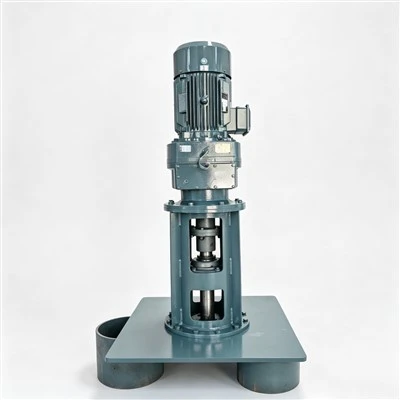
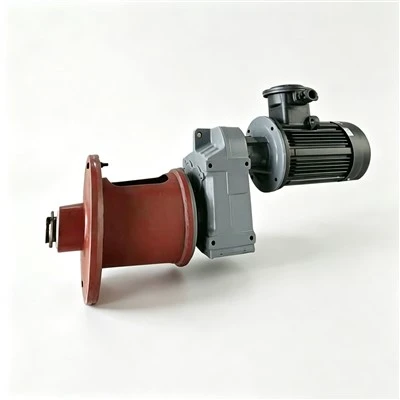
A Vertical Agitator can be used for mixing liquid materials and is a common choice in industrial production. During operation, the mixing components continuously move inside the vessel, causing the liquid to circulate and flow. This promotes the exchange of materials in different areas and helps improve the overall uniformity of the mixture.
During actual operation, some liquid materials may separate when left stationary for an extended period. Different components may accumulate in different areas of the vessel. Natural diffusion alone may result in a relatively slow mixing process. Once the Vertical Agitator starts operating, it causes the liquid to circulate, allowing materials in the upper, middle, and lower sections of the vessel to exchange continuously. This helps reduce concentration differences and improves material uniformity.
In addition to general liquid mixing, a Vertical Agitator can be used in production processes where materials need to remain evenly distributed. For example, some liquids may form sediment during storage or processing. When the material remains stationary for an extended period, certain components may gradually accumulate at the bottom of the vessel. Appropriate agitation can keep the material moving and reduce the effects of sedimentation on subsequent processing or use.
For liquid materials containing a small amount of solid particles, a Vertical Agitator can also help. During agitation, liquid circulation can keep some particles moving and promote more even distribution throughout the liquid. However, material properties can vary significantly, and the actual mixing performance may be affected by factors such as viscosity, density, concentration, and particle characteristics. Therefore, operation should be adjusted according to the properties of the actual material.
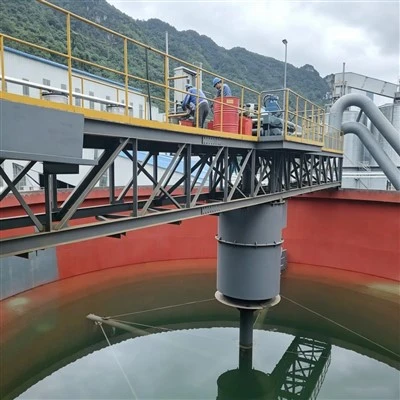
In chemical production, a Vertical Agitator can be used to mix different liquid raw materials and help maintain material uniformity during production. In food processing, it can be used for mixing and agitating liquid ingredients. In environmental applications, it can also be used in certain liquid treatment processes to promote material circulation and reduce sedimentation.
When using a Vertical Agitator for liquid mixing, it is also important to monitor the operating condition of the equipment. If abnormal vibration, unusual noise, or noticeably uneven mixing occurs during operation, the equipment and material conditions should be checked promptly. After the equipment is stopped, appropriate cleaning should also be carried out according to the characteristics of the material to reduce material residue and its potential impact on subsequent use.
Overall, a Vertical Agitator is suitable for mixing liquid materials and can promote material circulation and component exchange through continuous agitation. For applications that require liquid uniformity, reduced separation, or minimized sedimentation, proper use of a Vertical Agitator can help achieve effective and consistent mixing.