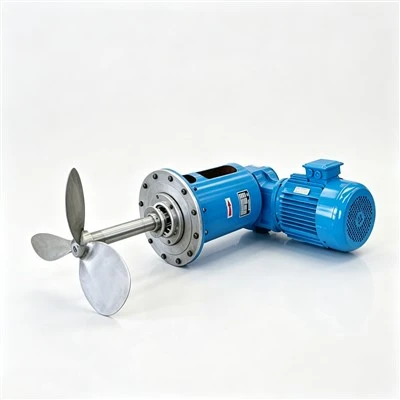
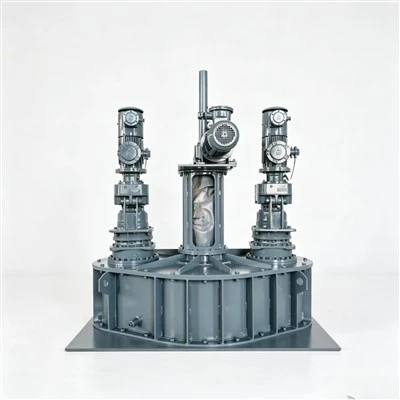
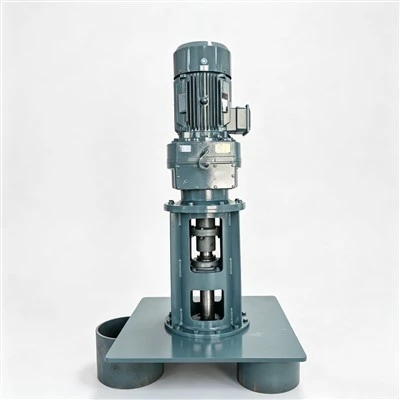
Long-term operation of a Vertical Agitator does not necessarily mean that its mixing performance will decline. However, both the equipment and the material may undergo changes during continuous operation. If these changes are not identified and addressed in time, they may gradually affect the mixing process, resulting in insufficient material circulation or reduced mixing uniformity. Therefore, when a Vertical Agitator operates for extended periods, its mixing performance should be evaluated based on the actual operating condition.
First, the mixing components are important to overall mixing performance. During long-term operation, these components continuously come into contact with the material. If the material has abrasive properties, prolonged contact may cause wear on the relevant components. As operating time increases, changes in the condition of the mixing components may affect material flow. If the mixing range changes or mixing performance becomes noticeably weaker, the relevant components should be inspected promptly.
Second, equipment connections should remain in good condition during extended operation. If a connection becomes loose, abnormal vibration or noise may occur while the equipment is running. Excessive vibration can affect equipment stability and may also interfere with the mixing process. Therefore, in continuous production environments, the operating condition of the equipment should be observed regularly, and any abnormal condition should be addressed promptly.
Changes in the material itself can also affect long-term mixing performance. For example, certain materials may undergo changes in temperature, viscosity, or flow behavior during continuous agitation. If the material gradually becomes more viscous or if some components settle or agglomerate, mixing performance may change even when the equipment continues to operate normally. Therefore, when evaluating mixing performance, it is important to consider not only the equipment but also the actual condition of the material.
Material residue inside the vessel may also affect mixing performance during long-term operation. If residue gradually accumulates, it may alter the normal flow pattern of the material and create areas with insufficient mixing. Therefore, appropriate cleaning should be carried out at suitable production intervals or after the equipment is stopped, depending on the characteristics of the material. This helps keep the vessel and mixing components in good operating condition.
For production processes that require continuous operation, attention should also be paid to operating sounds and vibration. If unusual noise, increased vibration, or changes in mixing performance occur suddenly, these signs should not be ignored. The equipment condition, material status, and mixing components can be checked together to identify the possible cause.
In addition, proper operating practices can help maintain mixing performance during long-term operation. For example, the equipment should not be forced to operate when the material is clearly in an abnormal condition. Operation and inspection should also be arranged appropriately according to the actual production process. For materials that are prone to settling or significant viscosity changes, greater attention should be given to changes in material condition during operation.
Overall, long-term operation of a Vertical Agitator does not necessarily cause mixing performance to decline. However, factors such as component wear, loose connections, changes in material properties, and material residue may gradually affect performance. Regularly monitoring the equipment and material condition and addressing abnormalities promptly can help maintain stable and consistent mixing performance.