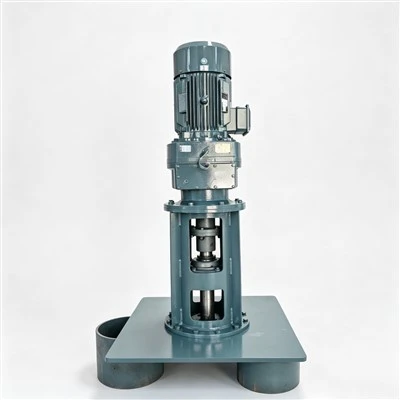
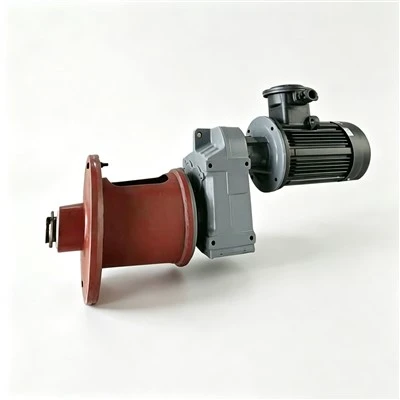
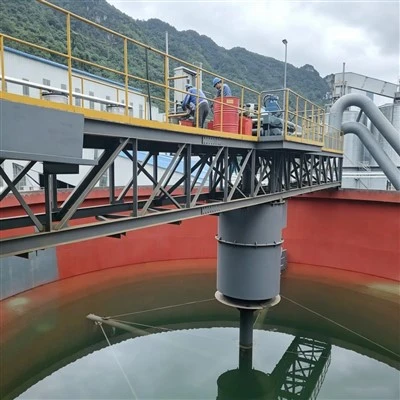
The mixing components of a Vertical Agitator may experience wear because they continuously come into contact with and move through the material during operation. Therefore, a certain degree of wear can occur after prolonged use. The causes of wear are not limited to a single factor and are generally related to material properties, operating conditions, accumulated operating time, and equipment maintenance.
First, continuous friction between the material and the mixing components is an important cause of wear. During operation, the mixing components move continuously through the material. If the material itself has abrasive properties, hard particles within the material may repeatedly come into contact with the mixing components, causing friction and abrasion on their surfaces. Over time, this repeated action may gradually lead to surface wear.
Second, the amount and characteristics of solid particles in the material can affect wear. If the material contains a significant amount of hard particles, or if particles repeatedly collide with the mixing components during agitation, surface wear may accelerate. Compared with relatively mild liquid materials, materials containing a large amount of abrasive particles generally require closer attention to the condition of the mixing components.
Material viscosity can also have an impact. For materials with poor flowability, the mixing components need to overcome greater resistance during operation. If the equipment operates in such material conditions for extended periods, the relevant components may be subjected to more continuous forces. When the equipment operates unstably, vibration or other abnormal conditions may occur, potentially increasing wear on the mixing components.
In addition to material-related factors, the operating condition of the equipment can also affect the service condition of the mixing components. If the mixing shaft operates abnormally, if connections become loose, or if noticeable vibration persists during operation, the mixing components may not maintain stable movement. Continuous abnormal vibration can cause uneven forces on the components and may result in more noticeable localized wear.
Long-term continuous operation is another factor that should be considered. During operation, the mixing components remain in contact with the material, and the number of friction and abrasion cycles increases as cumulative operating time increases. If the equipment is not inspected regularly, minor wear may gradually become more extensive. Therefore, for equipment that is used frequently, the condition of the mixing components should be checked periodically according to actual operating conditions.
In addition, abnormal hard lumps, foreign objects, or agglomerated material inside the vessel may cause additional impact on the mixing components. When a large hard object enters the mixing area, it may suddenly increase resistance against the mixing components. If this occurs repeatedly, it may affect the normal operating condition of the components. For this reason, checking the material condition before starting the equipment is important.
Routine maintenance is also important for reducing abnormal wear. During operation, attention should be paid to signs such as abnormal vibration, unusual noise, or reduced mixing performance. If noticeable wear is found on the mixing components, the cause should be investigated promptly rather than simply continuing operation. For materials that are particularly abrasive, inspections should be strengthened according to actual operating conditions to prevent minor problems from accumulating over time.
Overall, wear on the mixing components of a Vertical Agitator is generally associated with material friction, particle abrasion, prolonged operation, abnormal vibration, and hard foreign objects in the material. Understanding the causes of wear and conducting regular inspections can help identify abnormal conditions in a timely manner, supporting stable equipment operation and consistent mixing performance.