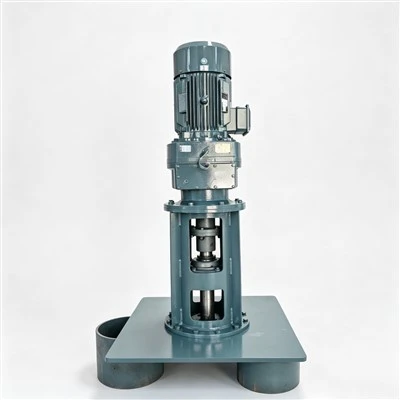
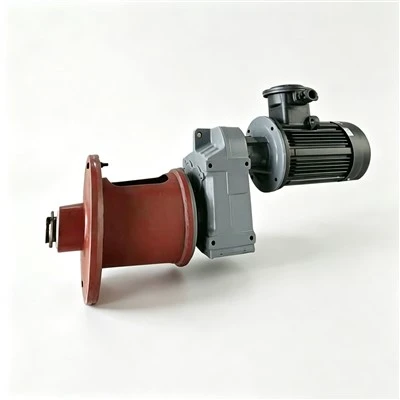
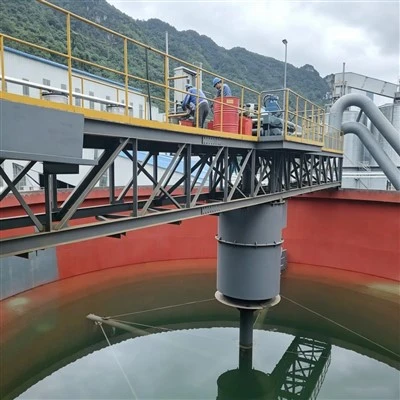
Checking the material condition before starting a Vertical Agitator is an important step in maintaining stable equipment operation and effective mixing. Different materials may exhibit different conditions after being left stationary, such as separation, sedimentation, agglomeration, or changes in viscosity. Starting the equipment without first checking the material may result in significant changes in resistance during startup and could affect operating stability. Therefore, understanding the condition of the material inside the vessel before starting the equipment is important.
First, it is necessary to check whether there is noticeable sedimentation. Some liquids or mixtures may gradually settle after remaining stationary for a period of time, with heavier components accumulating at the bottom of the vessel. If significant sediment has formed, the agitator needs to move the settled material again after startup. When the sediment is substantial, starting the equipment directly may cause the settled material to be subjected to sudden agitation, which can result in abnormal vibration or affect the mixing process.
Second, it is important to determine whether the material has formed agglomerates. Certain powder-liquid mixtures, viscous materials, or easily aggregated media may form localized clumps during storage or periods of inactivity. If the material condition is not checked beforehand, the equipment may not be able to disperse these clumps effectively after startup. The mixing components may also encounter uneven resistance. Therefore, confirming whether the material is relatively uniform before starting can help support a smoother mixing process.
Changes in material viscosity should also be considered. Some materials may have different flow characteristics at different stages of production. When a material becomes more viscous because of temperature changes, prolonged storage, or other factors, its flow behavior may change. If the equipment is operated in the same manner as under normal material conditions, the mixing performance may not be satisfactory. Understanding the current material condition before startup allows operators to make more appropriate operating arrangements.
In addition, the inside of the vessel should be checked for foreign objects or significant material residue. If the equipment was previously used for a different material and was not cleaned properly, residual material may mix with the current material and affect the production process. Larger foreign objects entering the mixing area may also interfere with the mixing components. Therefore, carrying out a basic inspection before startup can help reduce these risks.
Checking the material condition also helps operators anticipate potential issues during mixing. For example, if the material has clearly separated, the mixing process should be monitored carefully. If there is significant sedimentation, attention should be paid to material circulation after startup. If the material condition differs substantially from normal conditions, the equipment should not simply be operated according to previous experience without further consideration.
In actual production, the pre-start inspection should not focus only on the material. The external condition of the equipment and the operating environment should also be checked. Confirming that the mixing components are in proper condition, ensuring that there are no objects around the equipment that could interfere with operation, and checking for obvious abnormalities can all help improve startup stability.
Overall, checking the material condition before starting a Vertical Agitator is mainly intended to identify issues such as sedimentation, agglomeration, separation, viscosity changes, and foreign objects in advance. Avoiding direct startup under abnormal material conditions can reduce the possibility of unstable operation. A proper pre-start inspection also helps operators better understand the material and creates favorable conditions for achieving stable mixing performance.