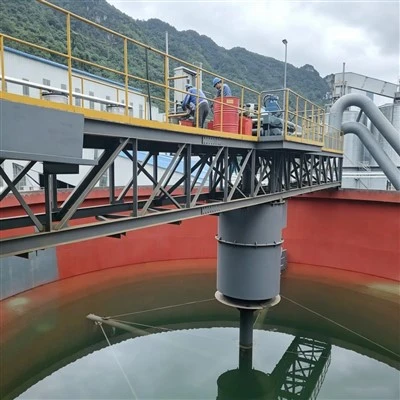
The working principle of the High Efficiency Thickener involves several stages, including slurry feeding, particle sedimentation, solids concentration, clarified liquid separation, and underflow discharge. The equipment organizes the internal flow to promote the gradual separation of solid particles from the liquid, allowing a higher-concentration material to form at the bottom. Compared with simple batch settling, a High Efficiency Thickener typically improves continuous processing capacity and operational stability through appropriate feed distribution, flocculation treatment, and mechanical assistance with solids discharge.
First, the slurry enters the equipment through the feeding system. The feed system introduces the material into the settling zone and helps minimize unnecessary flow disturbances. If the feed rate is excessive, the material is distributed unevenly, or the incoming slurry directly disturbs the settling zone, the normal sedimentation of solid particles may be affected. Therefore, maintaining suitable feeding conditions is essential for stable operation.
Second, after entering the settling zone, solid particles gradually move downward under gravity. Their settling velocities depend on factors such as particle size, density, shape, and the viscosity of the surrounding liquid. In general, larger or denser particles tend to settle more readily, while fine particles may remain suspended for longer periods. When necessary, an appropriate flocculant can be added according to the characteristics of the material. This encourages dispersed particles to aggregate into larger flocs, improving their settling performance. The type and dosage of the flocculant should be determined according to the properties of the slurry.

As sedimentation continues, zones with different solid concentrations gradually develop inside the equipment. The upper zone contains relatively fewer solids. After further clarification, the liquid moves toward the overflow area and is discharged through the overflow system. In the lower zone, settled particles accumulate to form a progressively concentrated sediment layer. During this process, particle settling, upward liquid flow, and compression of the accumulated solids collectively influence the final separation performance.
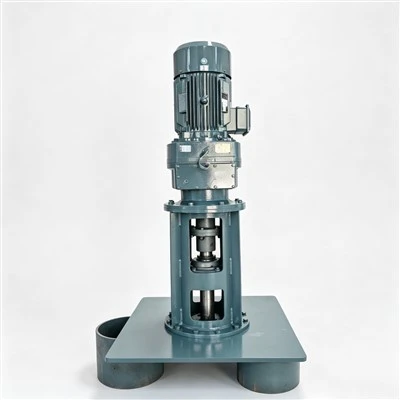
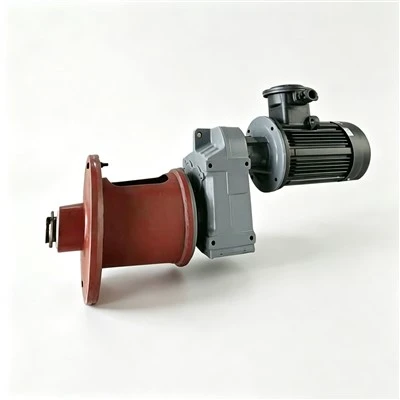
To help collect and discharge the solids at the bottom, some High Efficiency Thickener models are equipped with mechanical rakes. Driven by a mechanical system, the rakes rotate slowly and move the settled material toward the discharge area. This helps reduce localized accumulation and supports continuous underflow discharge. As solids accumulate at the bottom, liquid between the particles is gradually expelled, increasing the solids concentration of the underflow. The actual degree of thickening depends on the settling and compression characteristics of the material, as well as the operating conditions of the equipment.
Finally, the concentrated underflow is discharged through the outlet system, while the clarified liquid is collected through the overflow system. By coordinating feeding, flocculation, sedimentation, and discharge, the equipment can operate continuously under suitable conditions. During operation, attention should also be paid to overflow clarity, underflow concentration, discharge conditions, and the performance of mechanical components so that problems affecting treatment efficiency can be identified promptly.
It should be noted that different High Efficiency Thickener models may vary in feed structure, flocculation methods, and bottom discharge mechanisms. However, their fundamental objective is to achieve solid-liquid separation through sedimentation and thickening. The equipment can deliver effective results when operated according to the properties of the material and the requirements of the process.