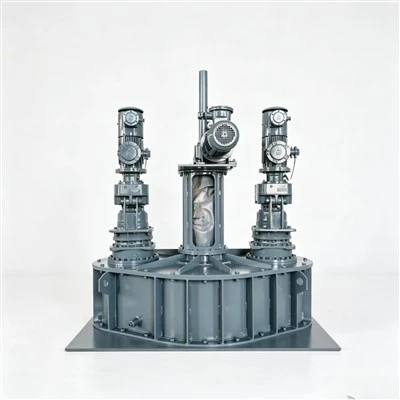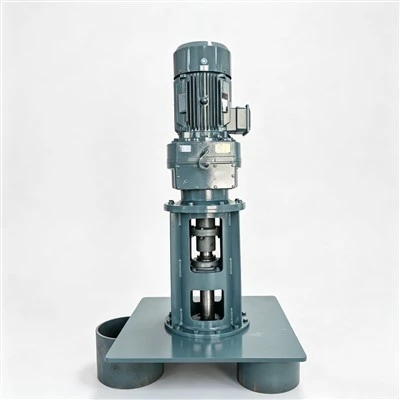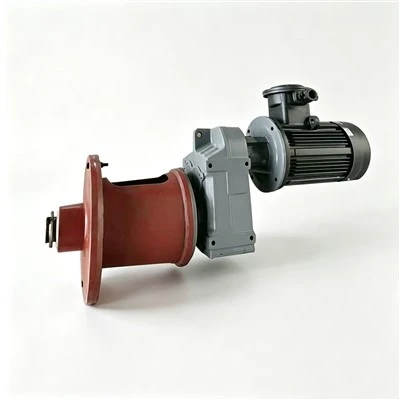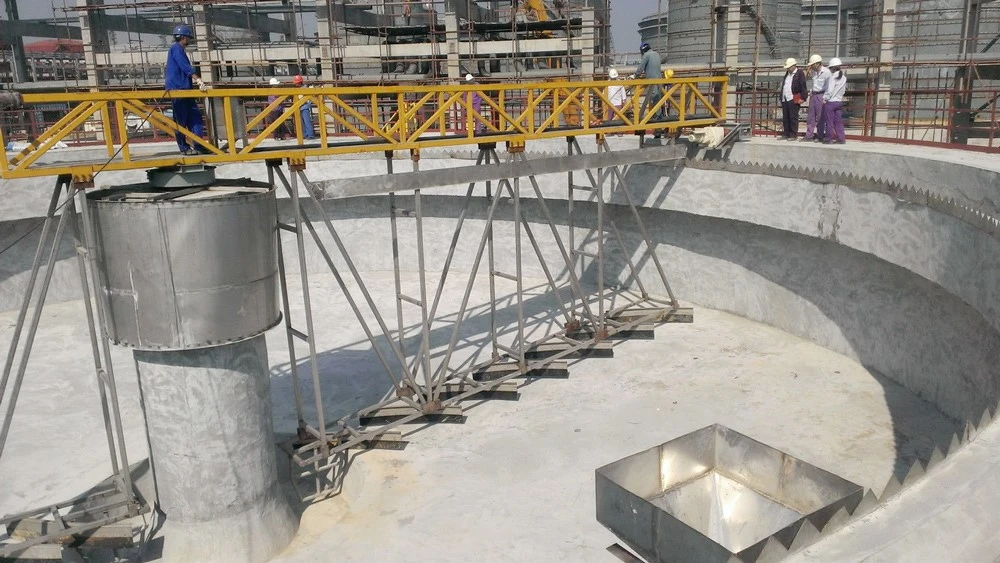
A High Efficiency Sludge Scraper is an important piece of equipment for sludge collection in sedimentation tanks. Its operating condition affects sludge removal performance and routine tank management. To ensure reliable and stable operation, operators should monitor the mechanical condition of the equipment, scraping effectiveness, sludge discharge, and surrounding operating environment. Inspections and operating records should be maintained according to actual conditions.
First, operators should monitor whether the equipment runs smoothly. A properly functioning High Efficiency Sludge Scraper should operate according to its designed operating method without noticeable abnormal vibration, unusual noise, or irregular movement. If the equipment suddenly becomes noisier, components begin to shake, movement becomes obstructed, or the operating speed changes unexpectedly, there may be a problem with the transmission components, drive system, or scraping mechanism. In such cases, the equipment should be inspected according to its operating instructions. If necessary, it should be stopped and checked by qualified personnel to prevent the problem from worsening.
Second, operators should observe whether sludge scraping remains effective. The primary function of a High Efficiency Sludge Scraper is to collect sludge from the bottom of a sedimentation tank and move it toward a designated area. Therefore, attention should be paid to localized sludge accumulation, excessive buildup, and incomplete scraping. If substantial amounts of sludge remain in certain areas for an extended period, possible causes may include the condition of the scraping components, equipment operation, tank-bottom structure, or sludge characteristics. The cause should be investigated based on actual conditions rather than automatically assuming that the equipment is defective.
Sludge discharge is another important aspect of operational management. After the scraper gathers sludge in the collection area, the sludge must be removed through the corresponding discharge system. If sludge continues to accumulate, discharge becomes difficult, or the amount of discharged sludge changes noticeably, operators should check whether the discharge process is functioning properly and whether blockages or other restrictions are present. Appropriate sludge discharge scheduling helps prevent excessive accumulation.
The operating condition of the drive system and transmission components also requires attention. Motors, reduction gearboxes, transmission mechanisms, and other moving components may experience wear, loosening, or lubrication-related problems during long-term operation. Regular inspections in accordance with the equipment's operating instructions can help identify potential problems and reduce disruptions to sludge collection. All inspections must follow the required safety procedures. Moving components should never be touched when the equipment is operating in a condition that makes such contact unsafe.
In summary, operators should focus on mechanical operating conditions, scraping effectiveness, sludge discharge, drive and transmission components, influent and sludge changes, and the surrounding environment. Identifying abnormalities promptly and taking appropriate action helps maintain the stable operation of a High Efficiency Sludge Scraper.