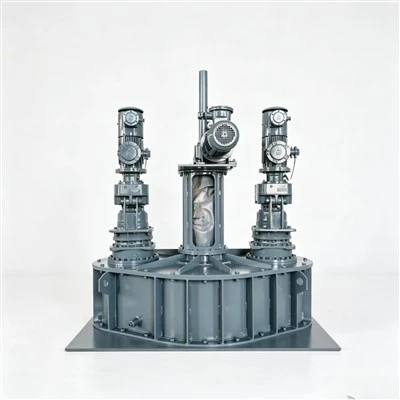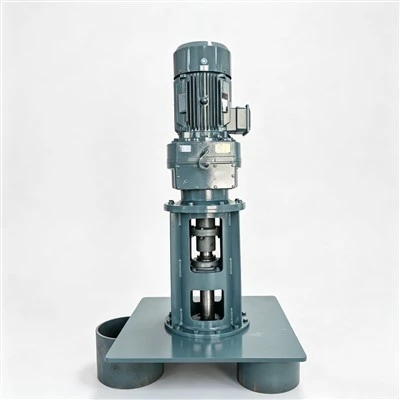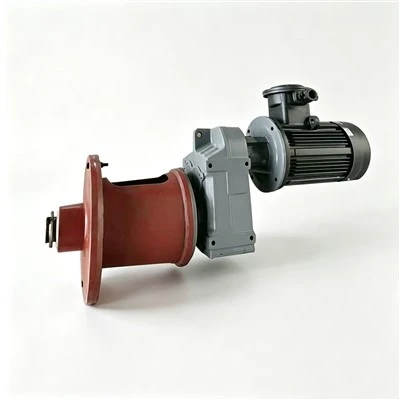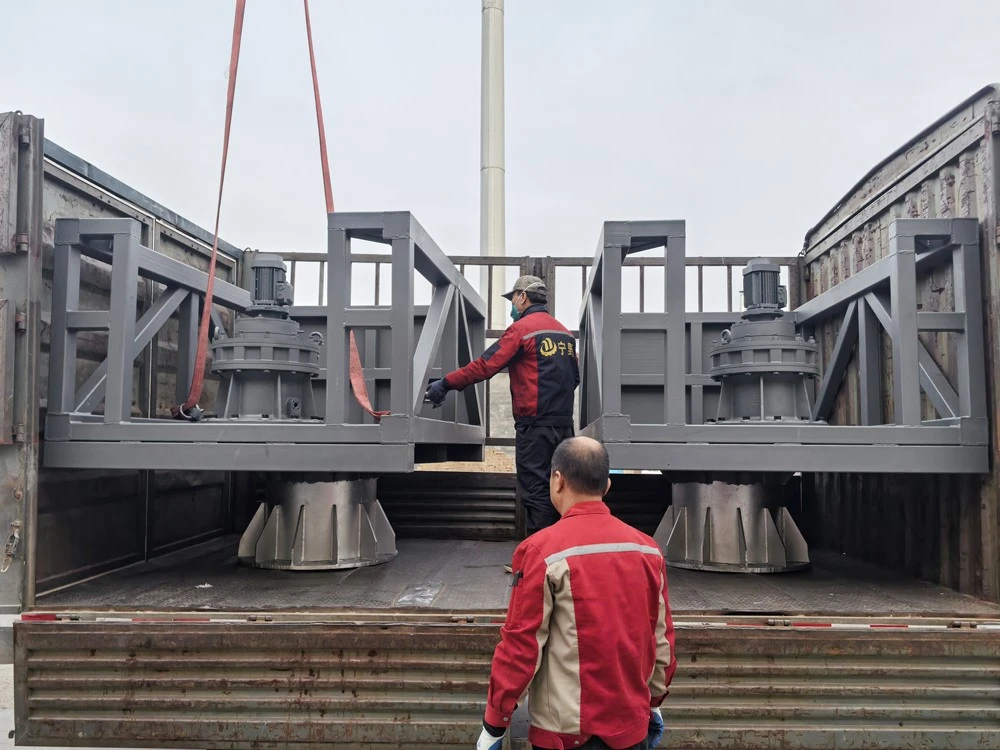
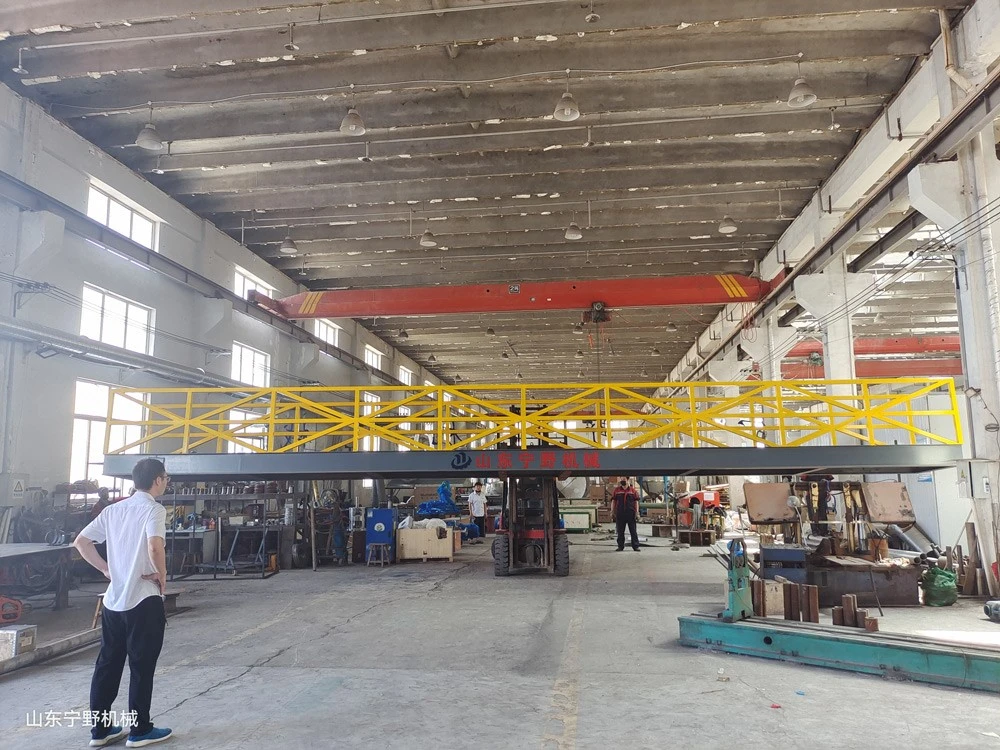
A High Efficiency Sludge Scraper is an important piece of equipment used to collect sludge from the bottom of sedimentation tanks in wastewater and water treatment systems. It uses a mechanical scraping mechanism to gather settled sludge in a designated area, facilitating subsequent sludge discharge and treatment. Strictly speaking, the primary function of a High Efficiency Sludge Scraper is to improve sludge collection and removal efficiency rather than directly accelerate the settling of suspended particles. Therefore, understanding how this equipment improves sedimentation performance requires consideration of the sedimentation process, sludge management, and equipment operation.
Timely removal of bottom sludge is an important part of maintaining proper sedimentation tank operation. During wastewater treatment, settleable particles and flocs gradually accumulate at the bottom of the tank, forming a sludge layer. If the sludge is not removed promptly, the layer may become increasingly thick, occupy effective sedimentation space, and increase the risk of sludge resuspension. A High Efficiency Sludge Scraper collects the settled sludge and moves it toward a designated collection area for subsequent discharge, reducing interference caused by excessive sludge accumulation.
Proper sludge collection also helps maintain normal sedimentation tank operation. A High Efficiency Sludge Scraper moves its scraping components according to the equipment's designed operating method, gradually directing bottom sludge toward a designated location. Compared with methods that rely entirely on manual cleaning, mechanical scraping makes it easier to establish a continuous and consistent sludge collection process. This approach is particularly useful in wastewater treatment facilities that need to operate over extended periods, as it helps reduce operational problems caused by delayed sludge removal.
A High Efficiency Sludge Scraper also facilitates downstream sludge discharge. Once sludge has been concentrated in a designated area, operators can arrange discharge activities according to actual sludge accumulation. This helps prevent excessive sludge buildup at the tank bottom, maintains an orderly collection process, and reduces problems that may arise when sludge remains in the tank for too long.
Equipment stability also affects sludge collection performance. If scraping components become worn, loose, or obstructed, some areas may not be cleaned effectively, resulting in localized sludge accumulation. Therefore, the operating condition of the equipment should be inspected regularly. Particular attention should be paid to the scraping components, transmission mechanism, and related assemblies. Any abnormalities should be investigated and addressed promptly.
It is important to understand that sludge settling characteristics are primarily influenced by wastewater properties, suspended solids, coagulation and flocculation performance, water temperature, and treatment process conditions. If the sludge itself settles poorly, a properly functioning scraping device cannot resolve the underlying settling problem on its own. In practical applications, a High Efficiency Sludge Scraper should be used alongside an appropriate water treatment process, suitable sludge discharge arrangements, and effective operational management.
Overall, a High Efficiency Sludge Scraper helps improve overall sedimentation performance indirectly by collecting sludge promptly, reducing bottom accumulation, supporting sludge discharge, and maintaining normal sedimentation tank operation. Coordinating equipment operation with the water treatment process is essential to achieving the best practical results.