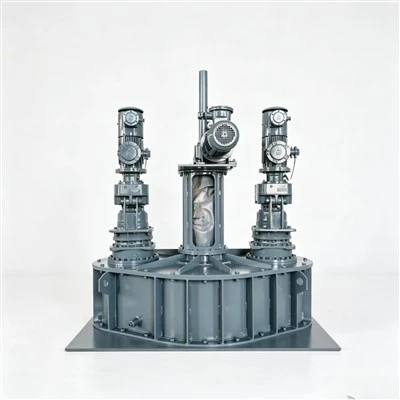
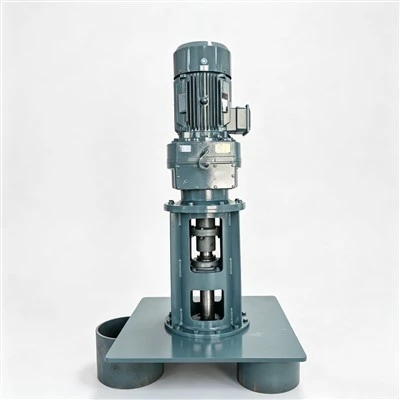
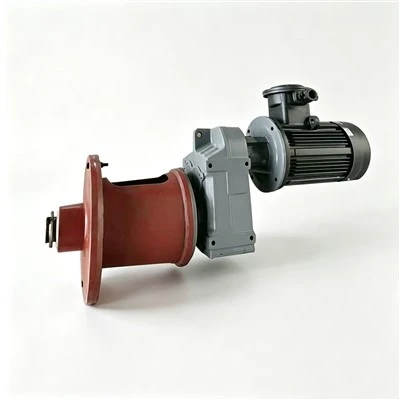
Selecting a suitable High Efficiency Sludge Scraper is important for effective sludge collection and stable wastewater treatment system operation. Different wastewater treatment projects may vary significantly in process design, sedimentation tank structure, sludge characteristics, and operating conditions. Therefore, equipment selection should not be based solely on the product name or a single factor. Instead, the actual application requirements should be evaluated comprehensively.
First, the requirements of the wastewater treatment process should be clearly identified. A High Efficiency Sludge Scraper is primarily used to collect and remove sludge from the bottom of sedimentation tanks. Before selecting the equipment, it is necessary to understand the treatment stage in which it will operate, the amount of sludge generated, and the method used for subsequent sludge discharge. For example, municipal wastewater treatment and industrial wastewater treatment may involve different water compositions and sludge characteristics, resulting in different equipment requirements. Understanding these process requirements helps determine the equipment's role within the overall treatment system.
Second, the structure and layout of the sedimentation tank should be considered. The shape of the tank, the configuration of its bottom, the location of the sludge collection area, and the internal layout all influence the movement of the scraping mechanism and the path along which sludge is collected. When selecting a High Efficiency Sludge Scraper, ensure that its operating method is compatible with the tank structure so that settled sludge can be moved effectively toward the designated location. Ignoring the tank layout may lead to incomplete scraping, uneven sludge collection, or restrictions on equipment movement.
Sludge characteristics are another important consideration. Wastewater from different sources may produce sludge with varying settling properties, adhesion, and flow characteristics. For example, some types of sludge form relatively stable deposits, while others may be loose or tend to adhere to the tank bottom and equipment components. Understanding the actual sludge characteristics helps determine whether the equipment is suitable for the intended collection task.
Compatibility with the sludge discharge system should also be evaluated. A High Efficiency Sludge Scraper gathers sludge in a designated area, but the collected material must still be removed through a discharge device or related process. If the scraper and the downstream discharge system do not work together effectively, excessive sludge may accumulate in the collection area even when the scraping mechanism operates normally. Therefore, scraping, collection, and discharge should be considered as interconnected stages of the overall process.
Equipment operating stability is another important factor. A High Efficiency Sludge Scraper generally needs to collect sludge reliably throughout its intended operating cycle. Attention should be paid to the drive system, transmission mechanism, scraping components, and the ease of routine inspection and maintenance. Equipment with a suitable structure and convenient operating procedures can reduce day-to-day management difficulties and support long-term reliable operation.
In summary, selecting a High Efficiency Sludge Scraper requires consideration of the wastewater treatment process, sedimentation tank structure, sludge characteristics, compatibility with the discharge system, operating stability, maintenance convenience, and long-term costs. A comprehensive assessment of these factors helps ensure that the selected equipment meets the actual requirements of the application.