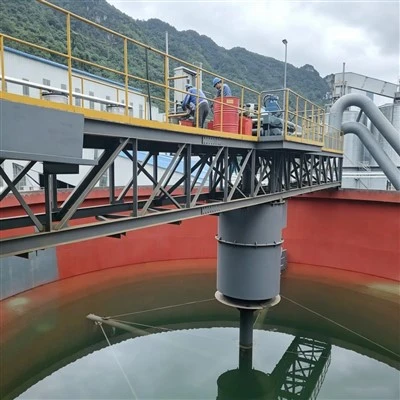
The structure of a sludge scraper primarily consists of four main components: the support system, the rotation mechanism, the scraping mechanism, and the drive system. The support system typically comprises a central column, support beams, and tank-side brackets; its function is to anchor the entire scraper within a sedimentation tank or thickener, thereby ensuring the equipment operates smoothly. The support system is generally constructed from carbon steel or stainless steel, possessing sufficient strength and rigidity to withstand the forces generated by the scraper's movement as well as the load imposed by accumulated sludge.
The core component of the sludge scraper is the scraping mechanism. This mechanism includes scraper blades, scraper arms, and blade supports; the scraper arms rotate-either around a central axis or along a fixed support frame-or execute a reciprocating motion to uniformly sweep the sludge or suspended solids settled at the tank bottom toward the sludge discharge outlet. The scraper blades are typically fabricated from wear-resistant materials and may be fitted with rubber liners or polyurethane coatings to enhance scraping efficiency and extend their service life. The design of the scraping mechanism can be customized based on factors such as the tank diameter, sediment thickness, and processing capacity, thereby ensuring efficient and uniform sludge discharge.
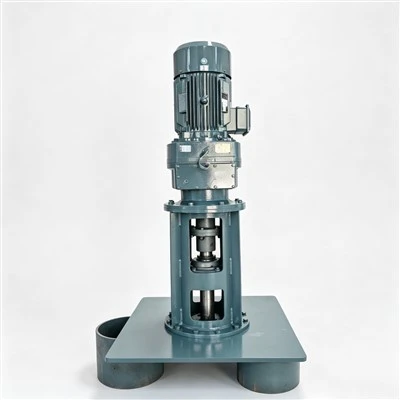
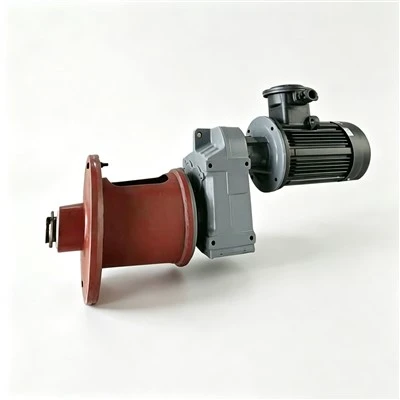
The drive system and rotation mechanism are responsible for power transmission and ensuring the stable rotation of the sludge scraper. The drive system typically consists of a motor, a speed reducer, and a transmission shaft; power is transmitted to the scraping mechanism via gears, chains, or hydraulic devices, enabling either constant-speed or variable-speed rotation. The rotation mechanism supports the movement of the scraper arms-either through a central axis or guide rails-thereby guaranteeing smooth and continuous scraping operations. Furthermore, modern sludge scrapers can be equipped with automated control systems to intelligently regulate parameters such as blade speed, sludge discharge cycles, and liquid levels, thereby enhancing the equipment's operational efficiency and reliability.