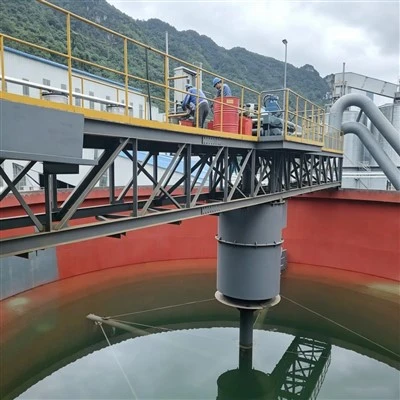
The selection of materials for scraper equipment is dictated by the specific process environment and the characteristics of the materials being processed. The tank body and the supporting structure at the tank bottom are typically fabricated from carbon steel or stainless steel. Carbon steel offers a lower cost and is suitable for general water treatment or mineral slurry processing applications; however, in environments subject to acid or alkali corrosion, it requires anti-corrosion treatment-such as the application of protective coatings or rubber lining. For environments involving highly corrosive wastewater or chemical fluids, stainless steel (such as grades 304 or 316L) is the preferred material due to its superior corrosion resistance and extended service life.
The scraper blades and arms are typically constructed from wear-resistant materials. In processes involving high sand content or sediment particles of high hardness, the scraper blades may be fabricated from wear-resistant steel or composite materials to ensure durability and resistance to abrasion over long-term operation. Additionally, the surfaces of some scraper blades can be fitted with rubber pads or polyurethane layers to enhance scraping efficiency against the tank bottom while simultaneously minimizing wear between the blades and the tank floor, thereby reducing maintenance costs.
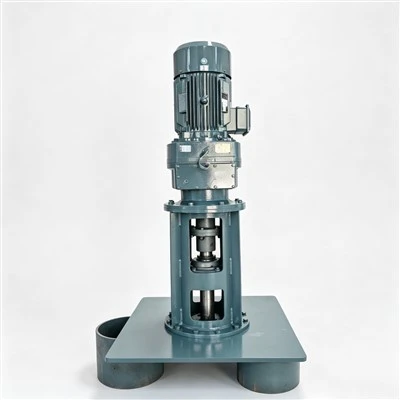
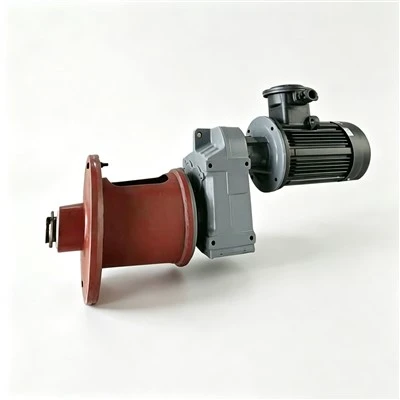
The drive system and bearing components also demand high-quality materials. The drive shafts, gearbox housings, and critical connecting components must be manufactured from high-strength steel or alloy steel to withstand sustained rotational loads and hydraulic impact forces. Bearings are typically made from corrosion-resistant and wear-resistant materials and are equipped with sealing mechanisms to prevent moisture ingress. A judicious selection and combination of materials not only ensures the durability and structural stability of the scraper equipment but also enhances its operational reliability across a wide range of water treatment, mining, and chemical processing applications.