The technical parameters of a sludge scraper primarily include processing capacity, scraping speed, tank compatibility range, and drive power; these parameters directly influence the equipment's operational efficiency and suitability for specific applications. Generally, the processing capacity of a sludge scraper is determined based on the surface area of the sedimentation or thickening tank and the volume of sediment accumulation; common units of measurement include cubic meters per hour (m³/h) or tons per hour (t/h). The equipment's scraping speed is typically adjustable-generally ranging from 0.5 to 2 revolutions per hour-to accommodate varying sediment thicknesses and meet specific process requirements for the tank.
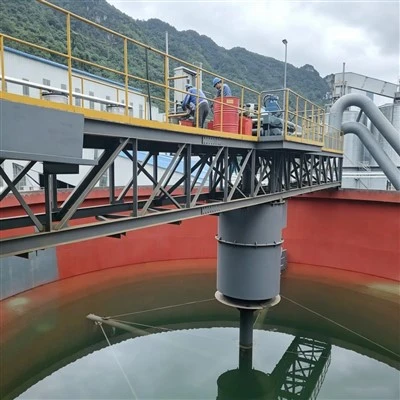
The tank compatibility range is a critical parameter in the selection of a sludge scraper, encompassing the tank diameter, depth, and bottom geometry. Depending on the tank diameter, the scraper can be designed with varying arm lengths or a specific number of scraper blades to ensure that sediment at the tank bottom is scraped out uniformly. Furthermore, the configuration of the tank bottom-whether flat, conical, or rounded-also influences the design of the scraping mechanism and the efficiency of sludge discharge. Sludge scrapers are typically suitable for sedimentation or thickening tanks ranging from 3 to 50 meters in diameter and 2 to 10 meters in depth, though specific specifications are adjusted based on process requirements and the characteristics of the sediment.
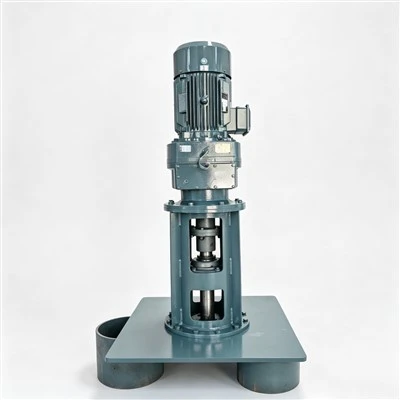
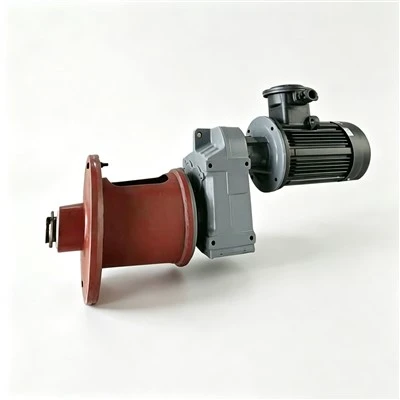
Parameters regarding the drive system include motor power, reduction ratio, and transmission method. Motor power is selected based on the anticipated scraping load and the tank diameter, typically ranging from 0.75 to 15 kilowatts. The speed reducer typically employs a worm gear or spur gear mechanism to ensure stable operation characterized by low speed and high torque. Modern sludge scrapers may also be equipped with variable frequency control systems, enabling precise adjustment of the scraper blade's rotational speed; this facilitates the dynamic adjustment of operating conditions in response to changes in liquid level, sediment thickness, and sludge discharge requirements. Other key parameters-such as bearing type, sealing method, and scraper blade material-directly impact the equipment's durability and maintenance cycle.