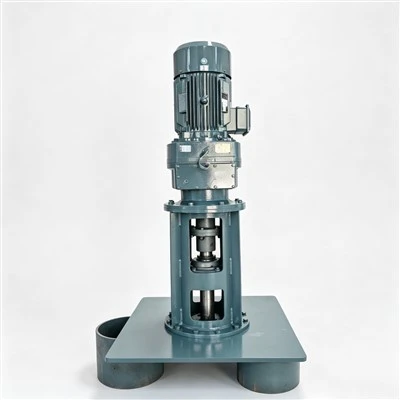
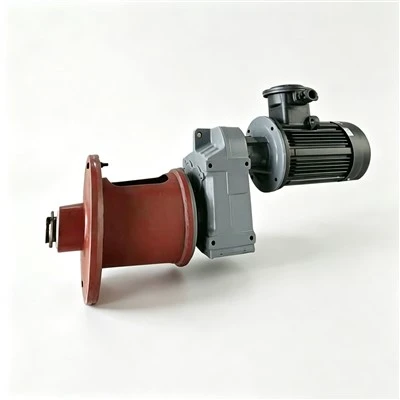
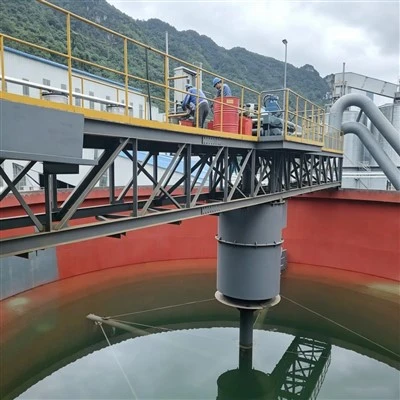
Before operating industrial mixing equipment, a comprehensive inspection of the machinery must be conducted to verify that critical components-such as the motor, transmission system, mixing shaft, and impeller-are intact and undamaged. Simultaneously, ensure that the lubrication system and sealing mechanisms are functioning correctly. Operators are required to wear appropriate personal protective equipment (PPE) and must be thoroughly familiar with the equipment's operating manual and process parameters. Prior to startup, verify that the material level within the mixing tank falls within the specified range to prevent overloading or "dry running," either of which could result in equipment damage or abnormal stress on the impeller.
During operation, strictly adhere to established operating procedures for startup and speed adjustment, increasing the rotational speed gradually. Observe the impeller to ensure it rotates smoothly, checking for any abnormal vibrations or noises. Throughout the operation, periodically monitor the motor temperature, current draw, and mixing status to ensure the equipment maintains stable operation within its rated operating conditions. For processes requiring heating or cooling, ensure the temperature control system is functioning correctly to prevent uneven heating or material agglomeration, thereby safeguarding product quality.
Safety and proper maintenance remain paramount during the shutdown and maintenance phases. Once the equipment has ceased operation, the power supply must be disconnected; cleaning or maintenance tasks should only commence after confirming that the impeller has come to a complete stop. The mixing tank and impeller should be cleaned promptly to prevent residual materials from solidifying or corroding components. Additionally, inspect the bearings, seals, and lubrication system to determine if maintenance or replacement is required. Regular inspection and maintenance serve to extend the equipment's service life, minimize the risk of mechanical failure, and ensure both production safety and product consistency.