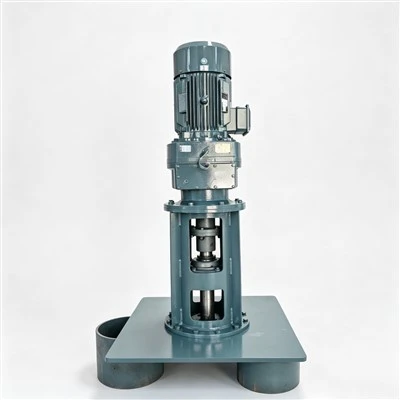
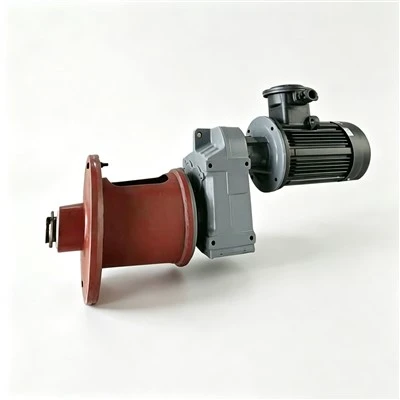
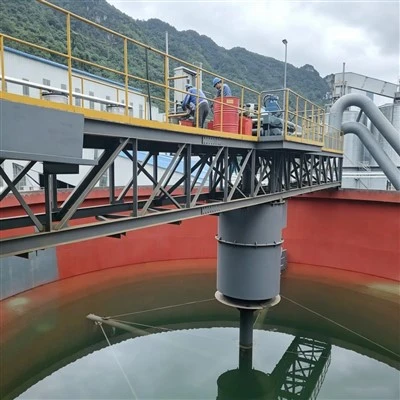
Before powering on the equipment, operators must inspect the stirring shaft, scraper, bearings, and motor to ensure they are in good working order. They must also verify that the lubrication system is functioning correctly and that the sealing mechanisms are free of leaks. Furthermore, operators should check the feed inlet, overflow launder, and discharge port to ensure they are unobstructed, and confirm that there are no foreign objects or residual materials inside the tank. Through such routine inspections, potential equipment damage-whether caused by mechanical failure or blockages-during startup or operation can be effectively prevented.
During operation, it is essential to continuously monitor key parameters of the thickener. Operators should constantly track the scraper's rotational speed, the liquid level, and the feed rate to ensure that the sedimentation and thickening processes proceed smoothly. When processing high-concentration or high-viscosity materials, particular attention must be paid to wear and tear on the scraper and stirring system; lubrication oil should be replenished, or worn parts replaced, in a timely manner. Maintaining stability in liquid level control, flocculant dosing, and discharge port adjustment is also critical to ensure the uniformity of the thickened slurry, the clarity of the supernatant, and the prevention of blockages and equipment overload.
Post-shutdown procedures and routine maintenance are equally vital. Once the equipment has ceased operation, power must be disconnected, and it must be confirmed that the impeller and scraper have come to a complete stop before proceeding with cleaning and inspection. The surfaces of the tank, impeller, and scraper should be thoroughly cleared of residual materials to prevent corrosion or material buildup. Bearings, seals, and transmission components should be lubricated or replaced according to a scheduled maintenance cycle to ensure long-term operational stability. By adhering to scientific and standardized maintenance protocols, operators can not only extend the service life of the equipment but also enhance thickening efficiency, thereby ensuring production safety and the consistent effectiveness of the solid-liquid separation process.