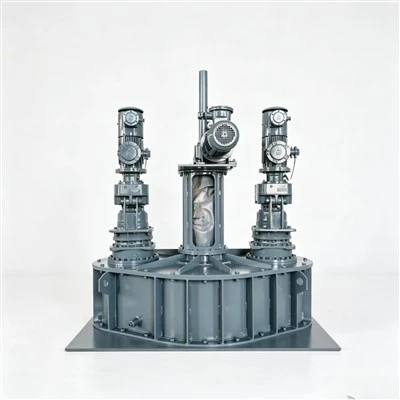
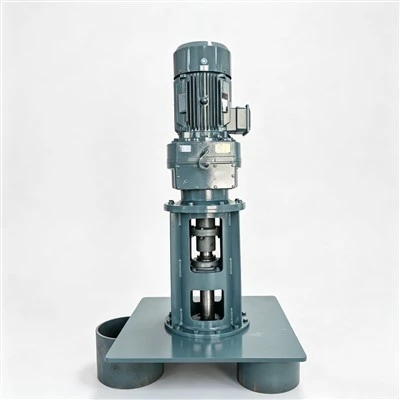
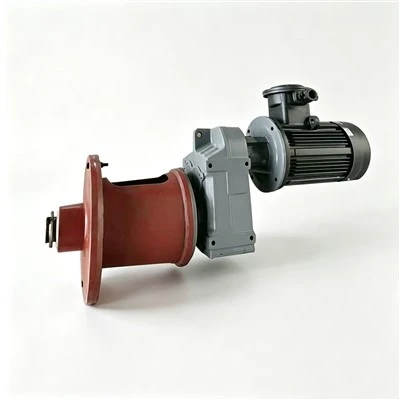
A High Efficiency Sludge Scraper is a common mechanical device used in wastewater treatment systems. Its primary function is to collect and remove sludge that accumulates at the bottom of sedimentation tanks. During wastewater treatment, suspended particles, organic matter, and other settleable substances gradually settle under gravity, forming a layer of sludge at the bottom of the tank. If this sludge is not collected and removed promptly, it may accumulate and interfere with normal sedimentation tank operation. Therefore, a High Efficiency Sludge Scraper plays an important role in wastewater treatment processes.
Sludge collection is the fundamental function of a High Efficiency Sludge Scraper. The equipment uses scraping components that move according to a designated operating pattern to gradually push or gather settled sludge toward a designated collection area. This makes subsequent sludge discharge and treatment more convenient. Compared with methods that rely entirely on manual cleaning, mechanical scraping reduces the need for manual intervention and makes sludge collection more continuous and organized.
Maintaining sedimentation performance is another important function of a High Efficiency Sludge Scraper. When sludge accumulates at the bottom of a tank for extended periods, it may occupy effective settling space and increase the risk of sludge resuspension. Timely sludge collection helps control accumulation at the tank bottom and reduces potential interference with the sedimentation process. However, the final effluent quality also depends on influent water quality, sedimentation conditions, sludge characteristics, and the overall operating conditions of the treatment process. It cannot be determined by the scraping equipment alone.
A High Efficiency Sludge Scraper also helps wastewater treatment systems manage sludge more effectively. The collected sludge can be directed to subsequent discharge or treatment processes, facilitating operations such as sludge thickening and dewatering. For facilities that require continuous wastewater treatment, reliable sludge collection helps coordinate the operation of sedimentation tanks with downstream treatment units.
In terms of operational management, a High Efficiency Sludge Scraper can reduce the amount of manual labor required for tank-bottom cleaning and make sludge removal easier to incorporate into routine operating procedures. Operators can arrange equipment operation and sludge discharge according to the conditions of the sedimentation tank and identify problems such as excessive sludge accumulation or incomplete scraping in a timely manner.
In addition, a High Efficiency Sludge Scraper can simplify routine sedimentation tank maintenance. By keeping the tank bottom relatively clear and reducing prolonged sludge accumulation, the equipment can make certain cleaning tasks less difficult and help create favorable conditions for continuous system operation.
Overall, the main value of a High Efficiency Sludge Scraper lies in mechanized sludge collection, reduced sludge accumulation at the tank bottom, support for downstream sludge treatment, and the maintenance of normal sedimentation tank operation. The equipment must be compatible with the tank structure, wastewater treatment process, and actual sludge characteristics to perform effectively.