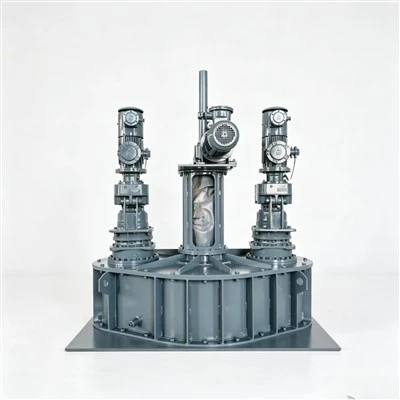
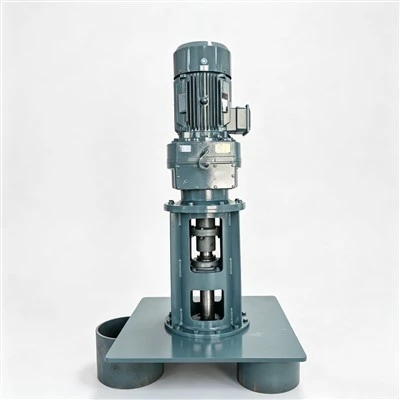
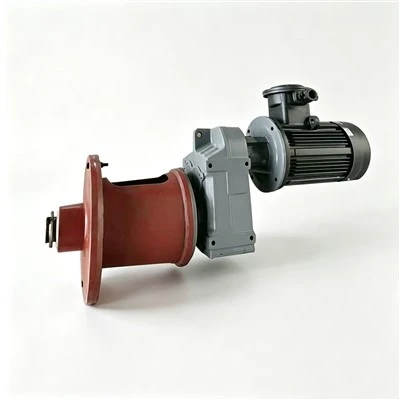
A High Efficiency Sludge Scraper is primarily used to collect sludge from the bottom of sedimentation tanks. Its advantages extend beyond mechanical cleaning to include operational continuity, sludge management, ease of operation, and compatibility with wastewater treatment processes. For wastewater treatment facilities that operate over extended periods, properly selecting and operating a High Efficiency Sludge Scraper can improve the efficiency of routine operations.
A high degree of mechanization is one of the main advantages of a High Efficiency Sludge Scraper. Traditional manual cleaning often requires considerable labor and can be difficult to perform continuously while equipment remains in normal operation. A High Efficiency Sludge Scraper uses mechanical components to collect sludge from the tank bottom, reducing the need for personnel to enter the tank for cleaning and making sludge collection more systematic. This approach is particularly valuable for large sedimentation tanks and facilities that require continuous operation.
More continuous sludge collection is another important feature. During wastewater treatment, settled sludge gradually accumulates at the bottom of sedimentation tanks. If it is not removed promptly, the accumulation may reduce the effective operating space and interfere with normal tank operation. A High Efficiency Sludge Scraper can collect sludge continuously or periodically according to the operating plan, helping control accumulation and facilitating subsequent sludge discharge. Actual collection performance depends on factors such as the equipment's operating condition, tank-bottom structure, and sludge characteristics.
Improved sludge management is another advantage. A High Efficiency Sludge Scraper gathers sludge that is distributed across the tank bottom and directs it toward a designated collection area, making sludge discharge more organized. This facilitates coordination between the sedimentation tank and downstream sludge treatment processes while reducing the management difficulties caused by uneven sludge distribution or excessive accumulation. Centralized collection also makes it easier for operators to observe sludge conditions and adjust routine operating procedures when necessary.
A High Efficiency Sludge Scraper also offers relatively convenient operational management. Once the equipment is operating, personnel can inspect its performance, monitor sludge accumulation, and assess discharge effectiveness to determine whether adjustments are needed. Compared with methods that rely entirely on manual cleaning, mechanical equipment can be more easily incorporated into established operating procedures, helping facilities develop standardized inspection and maintenance routines.
In terms of operational stability, a properly functioning High Efficiency Sludge Scraper helps reduce prolonged sludge accumulation at the tank bottom and lowers the likelihood of sludge buildup interfering with sedimentation. This supports normal tank operation, although the equipment alone cannot guarantee a particular effluent quality. Wastewater treatment performance is also influenced by changes in water quality, sedimentation processes, sludge settling characteristics, and the operating conditions of other treatment equipment.
Furthermore, a High Efficiency Sludge Scraper facilitates the long-term management of wastewater treatment facilities. Regular inspection of scraping components, transmission mechanisms, and overall operating conditions helps identify abnormalities at an early stage and allows corrective action to be taken. Appropriate operation and maintenance can also help extend the equipment's service life.
In summary, the main advantages of a High Efficiency Sludge Scraper include mechanized sludge collection, operational continuity, convenient centralized sludge management, reduced manual cleaning requirements, and easier routine maintenance. Selecting suitable equipment and managing it according to the actual treatment process are essential to realizing these benefits.