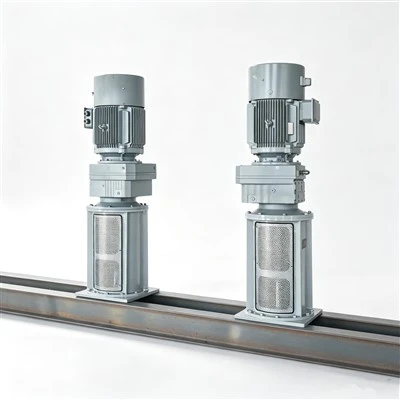
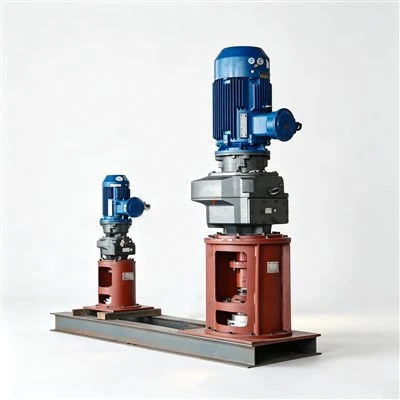
The origins of the sludge scraper can be traced back to the early 20th century within the fields of water treatment and mining. Initially, sludge scrapers were designed to enhance the efficiency of sediment discharge in sedimentation tanks or thickeners, thereby addressing issues where the accumulation of deposits on the tank floor led to deteriorated water quality and reduced processing efficiency. Early sludge scrapers featured relatively simple structures, primarily consisting of manually driven scraper blades and support frames; they achieved solid-liquid separation by utilizing manual labor or simple mechanical means to scrape deposits from the tank floor toward the sludge discharge outlet. Although the technology involved in this early stage was not highly sophisticated, these scrapers significantly improved production efficiency and operational convenience in processes such as sewage treatment, mineral slurry thickening, and tailings disposal.
With the advancement of industrial technology, sludge scrapers have gradually evolved to become mechanized, automated, and highly efficient. During the mid-to-late 20th century, the integration of electric motors and speed reduction mechanisms into equipment design enabled sludge scrapers to operate stably within tanks of larger diameters and under conditions of higher sludge concentrations. Modern sludge scrapers not only possess highly efficient sludge discharge capabilities but are also widely utilized across various sectors, including sewage treatment plants, industrial wastewater treatment facilities, mining tailings ponds, and chemical industry thickeners. Furthermore, the application of intelligent control systems, wear-resistant and corrosion-resistant materials, and variable-frequency speed control technologies has rendered the equipment more reliable, energy-efficient, and easy to maintain, thereby driving the transformation of the sludge scraper from a traditional auxiliary device into a core component for highly efficient solid-liquid separation.