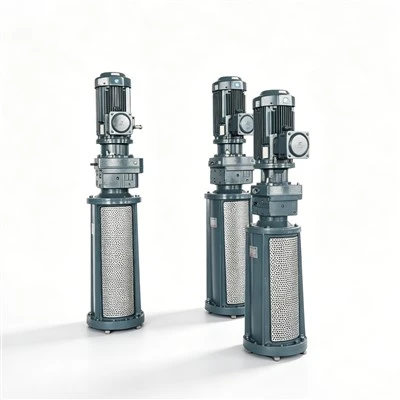
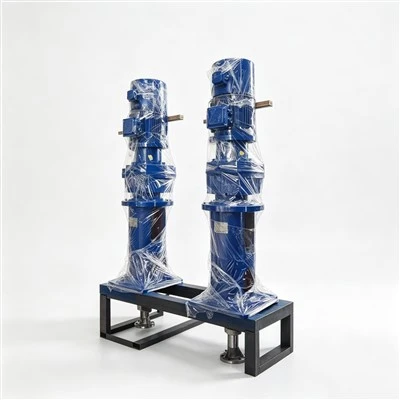
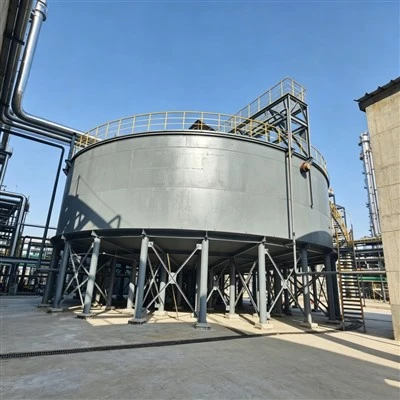
When selecting industrial mixing equipment, it is essential to adhere to relevant industry standards-such as GB/T (National Standards) and ISO (International Standards)-to ensure the safety and reliability of the machinery. The selection process should take the following key factors into account:
Mixing Method: Select drum-type, vertical, or horizontal mixing equipment based on the specific characteristics of the materials being processed.
Material Particle Size: For materials with a particle size ranging from 10 to 500 mesh, select equipment capable of generating sufficient shear force and providing adequate tumbling space.
Discharge Method: Ball valve discharge is suitable for scenarios requiring rapid material evacuation, whereas other discharge methods (such as screw discharge) are better suited for continuous production operations.
Motor Power and Main Shaft Speed: The motor power (e.g., 0.37 kW) and main shaft speed (e.g., 15 rpm) must be appropriately matched to the material's viscosity and the scale of production to prevent excessive energy consumption or uneven mixing.
Mounting Configuration and Drum Movement: Mixing drums capable of multi-directional movement can significantly enhance mixing efficiency, making them ideal for blending complex materials.