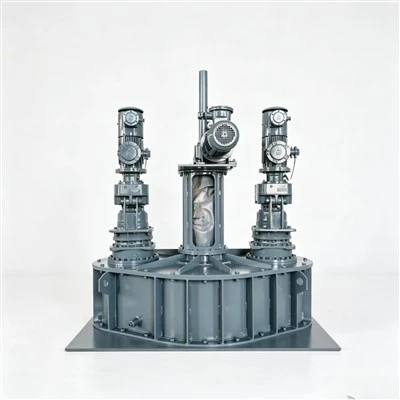
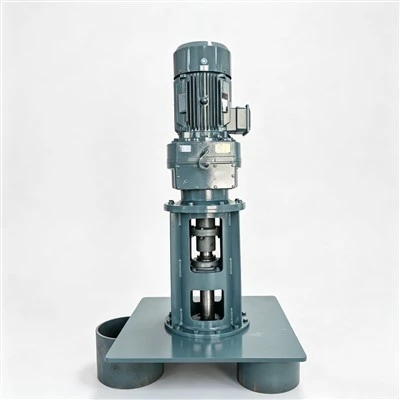
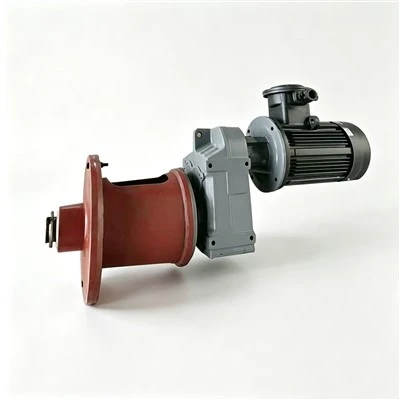
Cleaning constitutes an unavoidable daily procedure for Industrial Agitator operation. Many operators evaluate practical usability by assessing cleaning workload. Cleaning difficulty has no fixed answer; it is jointly determined by material characteristics, cleaning timing and operational habits. Workload and complexity differ considerably across production scenarios.
Cleaning stays relatively easy when processed materials show low adhesion and good water solubility. Only thin residual layers form on equipment surfaces after batches. Simple flushing removes attached residues rapidly with limited time and manpower inputs. Such cleaning workflows bring little burden to daily production.
Conditions change completely for highly viscous, crust‑forming materials. These substances adhere to wetted equipment components during stirring. Residues remain moist and somewhat flowable right after operation, which facilitates cleaning. If cleaning gets delayed, residual materials dehydrate, cool down or undergo chemical reactions. Hardened deposits firmly bond to equipment surfaces. Simple flushing becomes ineffective, and manual intervention is required. Cleaning workload increases significantly.
Sedimentation and caking may accumulate inside gaps and corners of the Industrial Agitator. Without regular removal, stacked deposits harden further and raise subsequent cleaning difficulties. Extra caution is needed when handling hardened attachments.
Cleaning timing acts as a decisive human‑controlled factor. Performing cleaning immediately after shutdown while residues stay unhardened enables efficient removal via flushing or wiping with minimal effort. Postponement until solidification turns simple tasks into cumbersome labor. Heavy on‑site cleaning workloads often stem from delayed maintenance rather than structural defects of the Industrial Agitator.
Production frequency also shapes real‑world cleaning experiences. Continuous manufacturing with identical materials only requires brief intermediate flushing between batches. Thorough deep‑level cleaning becomes necessary only when switching material types, so routine burdens remain low. Frequent product‑formula changes demand full cleaning after every run, which occupies more production time.
Good operational practices mitigate cleaning‑related burdens. Seize optimal cleaning windows and perform cleaning before residues solidify. Differentiate cleaning standards for different scenarios: adopt simple intermediate rinsing for continuous production of identical materials and implement complete deep cleaning for material‑switching cycles.
Objectively speaking, the Industrial Agitator cannot perform self‑cleaning. Cleaning complexity cannot be assessed independently of material traits and operating habits. While material properties represent fixed objective conditions, operators can optimize timing and cleaning schedules to cut manpower and time consumption. Keeping equipment clean prevents residual substances from compromising quality of subsequent batches.