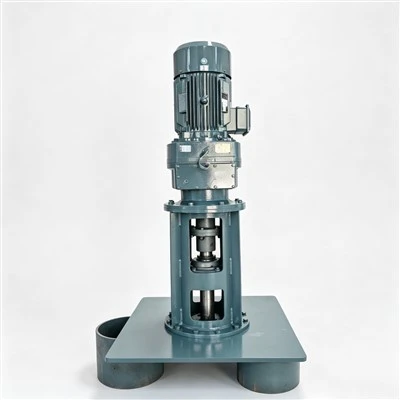
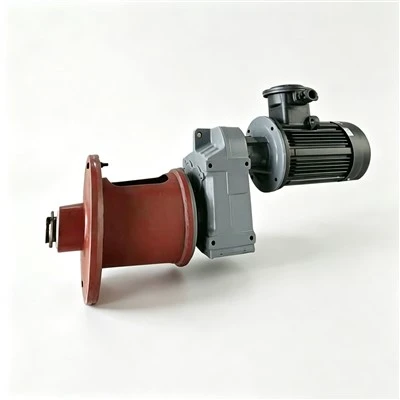
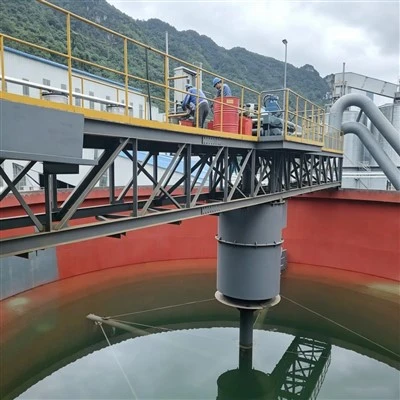
The High Efficiency Thickener is an industrial device designed for solid-liquid separation and slurry thickening. It is suitable for applications that require reducing suspended solids in liquids, increasing underflow concentration, or recovering process water. As industries place greater emphasis on resource utilization and wastewater treatment, the High Efficiency Thickener plays an important role in various industrial sectors. Its specific applications depend on material composition, particle settling characteristics, and the requirements of the overall production process.
In the mining and mineral processing industry, the High Efficiency Thickener is primarily used for mineral slurry thickening and tailings treatment. After crushing, grinding, and separation, mineral processing operations often produce large volumes of slurry containing solid particles. The High Efficiency Thickener allows these particles to settle gradually, increases the concentration of the underflow material, and recovers relatively clarified water from the upper section. The recovered water can support water recycling in mineral processing operations. In tailings treatment, the equipment also helps reduce the water content of tailings slurry, facilitating subsequent transportation, dewatering, or other treatment processes.
In the metallurgical industry, the High Efficiency Thickener can be used for mineral processing, certain slurry treatment operations associated with metal smelting, and the clarification of process liquids containing solid particles. Industrial processes may generate slurries containing mineral particles, reaction residues, or other solid materials. Thickening separates these solids from the liquid and provides suitable conditions for subsequent recovery, filtration, and treatment processes. Specific applications should be evaluated according to the chemical properties of the slurry and the characteristics of the solid particles.
In the coal processing industry, the High Efficiency Thickener is suitable for coal slurry water treatment and the thickening of slurries containing fine coal particles. Coal washing and preparation processes generate water containing fine coal particles and mineral impurities. Proper thickening encourages these solids to settle, reduces suspended solids in the water, and supports coal recovery and process water recycling. This helps improve water resource management and reduces the loss of solid materials through wastewater streams.
In the chemical industry, the High Efficiency Thickener is suitable for treating certain process slurries, suspensions, and liquid streams containing solid by-products. For example, in processes involving solid particle formation, precipitate separation, or material recovery, the equipment can be used for slurry thickening and liquid clarification. However, chemical materials vary considerably in corrosiveness, viscosity, and particle characteristics. Actual applications must therefore take the chemical properties of the materials and the equipment's suitability into account.
In environmental protection and industrial wastewater treatment, the High Efficiency Thickener can be used to concentrate wastewater containing suspended solids, sludge slurries, and certain industrial residual streams. After appropriate pretreatment, solid particles gradually settle, while the upper liquid proceeds to subsequent treatment or reuse processes. The concentrated material at the bottom can undergo further dewatering, transportation, or compliant disposal. It is important to note that the High Efficiency Thickener primarily performs sedimentation, thickening, and solid-liquid separation. It cannot independently replace every wastewater purification process or treatment method required to remove specific pollutants.
Overall, the main benefits of the High Efficiency Thickener include solid material concentration, process water recovery, reduced burdens on subsequent dewatering operations, and improved production process efficiency. When evaluating potential applications, companies should consider the properties of the materials, the intended treatment objectives, and the requirements of the overall process.