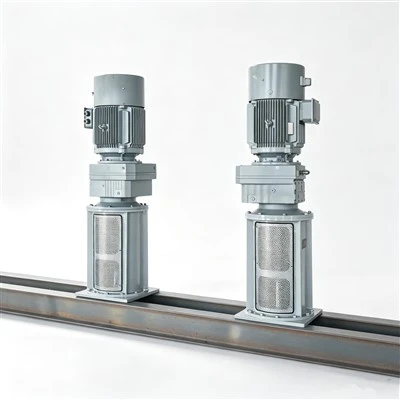
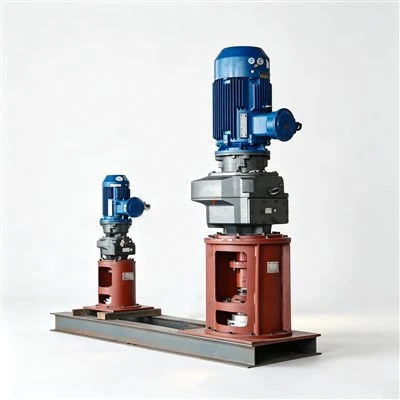
When operated following standardized procedures with appropriate feeding volumes and material-matched working parameters, the Industrial High-Power Mixer generates nearly zero material splashing or overflow. It perfectly fits assembly-line continuous mixing in factories, which constitutes a core advantage of industrial-grade equipment over compact household and simple mixing machines. Most customers' concerns about splashing stem from experience with small mixers rather than the actual working performance of industrial high-power models.
First, the machine adopts all-round anti-splash optimization in structural design. The integrated tank body is heightened and thickened, with rim heights precisely calculated for industrial working conditions and far exceeding those of ordinary mixers. This structure effectively blocks upward overflow when materials churn rapidly. Built-in circular anti-splash baffles and flow guide structures cooperate with wide-span mixing blades to precisely control material circulation paths. Materials circulate and layer inside the tank without splashing upward or spilling outward. The fully enclosed tank structure further prevents overflow when processing watery, thin-consistency materials prone to splashing.
Second, rotation speeds are professionally calibrated to fit high-power operation demands. The Industrial High-Power Mixer prioritizes steady uniform stirring rather than violent high-speed agitation. Rotation speeds match the mixing characteristics of all types of materials, including viscous slurries, granular mixtures and dry powders. Stable power drives homogeneous material blending without fast rotation forcing materials to collide against tank walls and splash out. Even, mild yet powerful mixing eliminates violent material churning.
The rare cases of slight splashing in daily use derive solely from improper operation instead of inherent equipment defects. For instance, overfilling the tank beyond its safe mixing capacity leaves no buffer space, leading to minor overflow during stirring. Unbalanced material ratios and uncontrolled liquid levels for thin fluids create tiny splashes during rapid circulation. Unauthorized manual speed adjustment or irregular feeding also disrupt balanced working conditions.
In conclusion, the mature and complete anti-splash design of the Industrial High-Power Mixer suits high-frequency, large-batch industrial mixing scenarios. Strict compliance with operating standards and reasonable control of feeding volumes and material conditions enable fully splash-free, spill-free mixing throughout the production process. It maintains tidy workshop environments, cuts material waste and reduces labor costs for manual cleaning, and adapts to various industrial production sectors including chemicals, building materials, food processing and coatings.