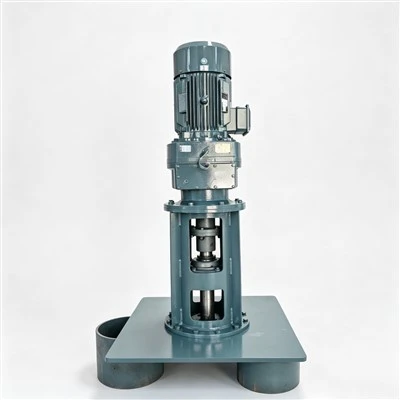
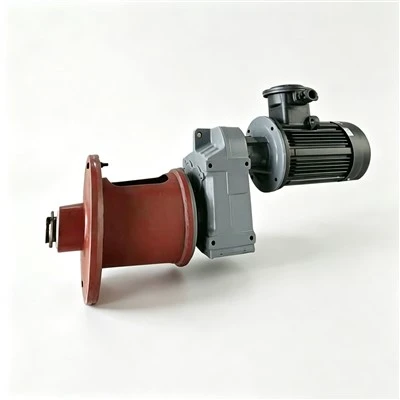
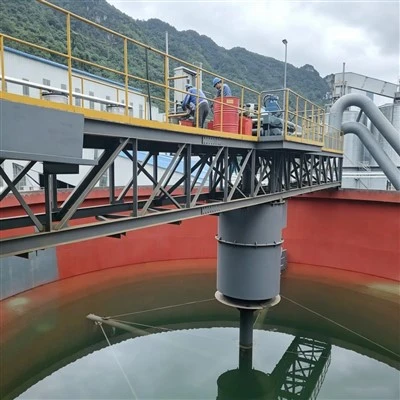
First and foremost, it is imperative to ensure that the equipment has come to a complete standstill and that the power supply has been disconnected to guarantee operational safety. Subsequently, drain any residual slurry or solid materials from the tank to prevent secondary contamination or equipment corrosion during the cleaning process. Prior to cleaning, detachable components-such as scrapers, impellers, or filter screens-should be removed; additionally, the interior of the equipment should be inspected for the presence of large debris to avoid scratching the tank walls or the agitation system during cleaning.
During the cleaning process, a combination of mechanical cleaning and water rinsing methods may be employed. For residues involving standard mineral slurries or low-viscosity fluids, a high-pressure water jet can be used to rinse the inner walls of the tank, the impeller, and the scraper, thereby thoroughly removing any adhering substances. For high-viscosity or caked-on materials, a scraper or soft brush should first be used to dislodge the material before proceeding with the rinse. Particular attention must be paid to seals, motors, and bearings during cleaning to prevent water ingress, which could lead to damage. If necessary, mild detergents or solvents may be utilized to enhance cleaning effectiveness; however, it is essential to ensure that these cleaning agents do not corrode the equipment's materials or contaminate subsequent process stages.
Following the cleaning process, an inspection and drying procedure should be conducted. Verify that the tank, scraper, impeller, and discharge port are free of any residual matter, and correctly reinstall all previously removed components to their original positions. For equipment scheduled for long-term shutdown, the interior should be dried or treated with anti-corrosive agents to prevent rust or corrosion. Regular and thorough cleaning of the thickener not only ensures optimal operational efficiency and solid-liquid separation performance but also extends the equipment's service life, reduces maintenance frequency, and enhances overall production safety and process stability.