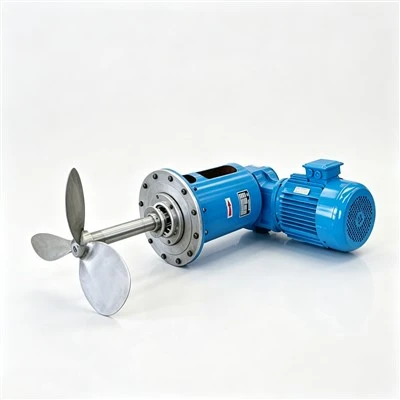
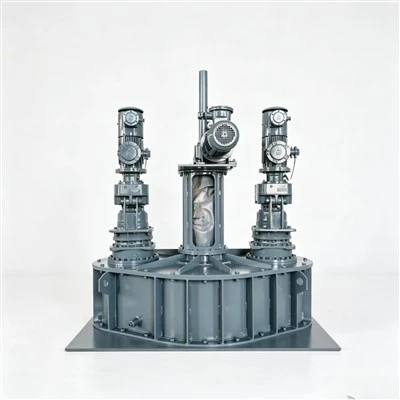
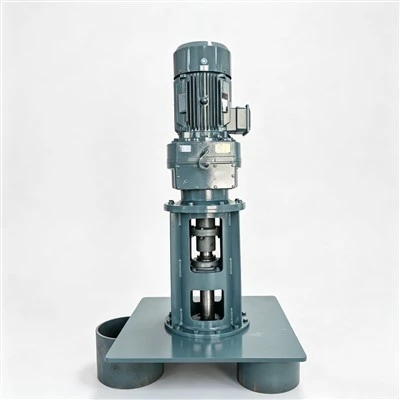
Thickeners can be classified into various types based on their structural form and intended application. The most common type is the gravity thickener-also known as the conventional thickener-which relies on the principle of gravitational settling to cause solid particles suspended in a liquid to settle to the bottom, thereby forming a thickened layer. Gravity thickeners feature a simple structure and reliable operation, making them suitable for processing slurries, tailings, and general industrial wastewater where particle settling rates are relatively rapid. Furthermore, based on their discharge method and scraper structure, they can be categorized into circular scraper thickeners and spiral conveyor thickeners; the former is suitable for general thickening applications, while the latter is designed for the continuous discharge of high-concentration slurries.
High-efficiency thickeners build upon the foundation of traditional gravity thickeners by incorporating additional features-such as flocculant dosing, controlled upward flow, or enhanced scraper agitation-to significantly improve solid-liquid separation efficiency and thickening performance. High-efficiency thickeners are particularly well-suited for processing suspensions containing fine particles, high viscosity fluids, or low-density solids, and are commonly utilized in tailings treatment, concentrate thickening, and chemical slurry processing. By optimizing liquid flow patterns and settling conditions, high-efficiency thickeners are capable of achieving higher discharge concentrations and producing a clearer overflow liquid.
Thickeners can also be classified according to their installation method and operating environment. Based on installation method, they can be divided into vertical thickeners and horizontal thickeners; vertical thickeners occupy a smaller footprint but feature greater depth, making them ideal for processing large volumes of mineral slurries or tailings, whereas horizontal thickeners are better suited for applications involving limited space or shallow-bed settling processes. Based on the operating environment, they can be categorized into mining thickeners, metallurgical thickeners, environmental protection thickeners, and so forth; different industries impose distinct requirements regarding structural materials, corrosion resistance, and the level of automation to ensure that the equipment effectively meets the specific demands of their respective production processes.