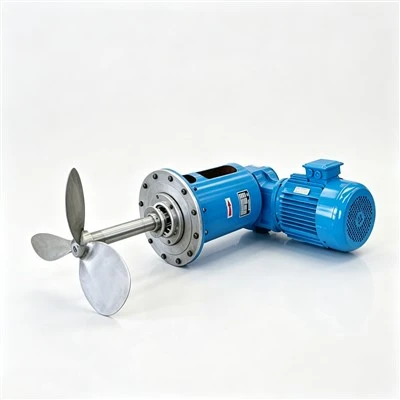
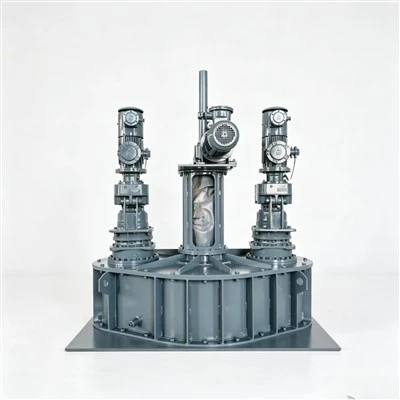
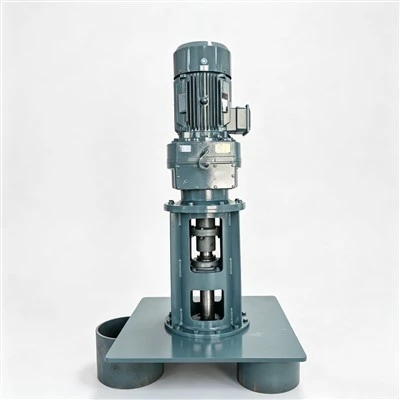
A Vertical Agitator is primarily used for mixing different materials in industrial production. Its operating condition directly affects material processing results and production stability. Therefore, proper operating procedures should be followed during installation, startup, operation, shutdown, and maintenance to prevent equipment damage and avoid unnecessary interruptions to production.
First, ensure that the equipment is installed securely. During operation, the motor and mixing components may generate mechanical vibration. Therefore, a Vertical Agitator should be installed on a flat and stable foundation. Check that the equipment is properly secured and that the installation position is appropriate. An unstable foundation or improper installation may cause excessive vibration during operation and affect normal equipment performance.
Second, conduct a comprehensive inspection before startup. Operators should inspect the motor, transmission system, mixing shaft, and mixing blades to ensure that there are no loose connections, deformation, or other visible abnormalities. The interior of the equipment should also be checked for foreign objects. Stones, metal fragments, and other debris may damage the mixing blades or cause abnormal equipment operation.
Third, control the material loading process appropriately. Different materials have different flow characteristics, densities, and viscosities. Excessive loading or uneven material distribution may increase the operating load of the mixing assembly and affect mixing performance. Therefore, materials should be loaded according to the equipment's intended operating requirements. Overloading should be avoided, and materials should be distributed as evenly as possible to prevent localized accumulation.
Fourth, monitor the equipment during operation. After starting the Vertical Agitator, observe whether it runs smoothly and check for abnormal vibration, unusual noise, or excessive temperature increases. If the motor produces unusual sounds, the mixing shaft swings abnormally, or noticeable vibration occurs, stop the equipment promptly and investigate the cause to prevent further damage.
Fifth, pay attention to ventilation and heat dissipation. The motor and certain transmission components may generate heat during extended operation. Therefore, sufficient ventilation space should be maintained around the equipment, and cooling areas should not be blocked by debris or other objects. If abnormal overheating occurs, inspect the equipment load, operating conditions, and related components. Professional personnel should be consulted when necessary.
Sixth, select an appropriate mixing method according to the material characteristics. Powders, granules, liquids, and slurries differ in flow behavior and mixing requirements. Different materials may also require different mixing blade designs and operating methods. Before use, confirm that the Vertical Agitator is suitable for the materials being processed. Using unsuitable materials may affect mixing performance or cause abnormal equipment loading.
In addition, operational safety must be given priority. Never place hands or tools inside the mixing area while the equipment is running. Cleaning, adjustment, and maintenance must not be performed while the equipment is operating. Before inspecting internal components, stop the equipment according to the required safety procedures and disconnect the power supply. Ensure that the mixing assembly has come to a complete stop before carrying out any work.
Overall, when using a Vertical Agitator, particular attention should be paid to installation stability, pre-startup inspections, material loading, operating conditions, operational safety, and routine cleaning and maintenance. Proper operation helps maintain stable equipment performance, improve mixing results, and extend the service life of the equipment.