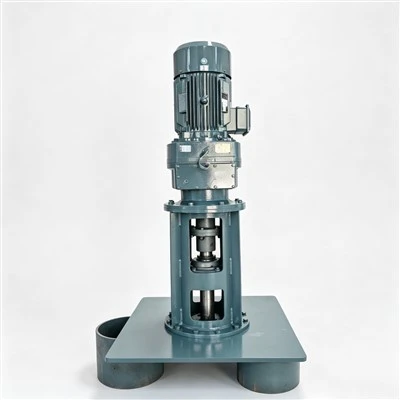
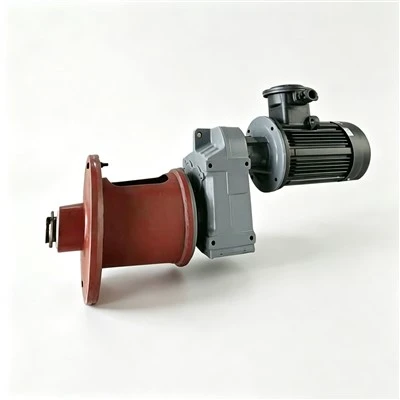
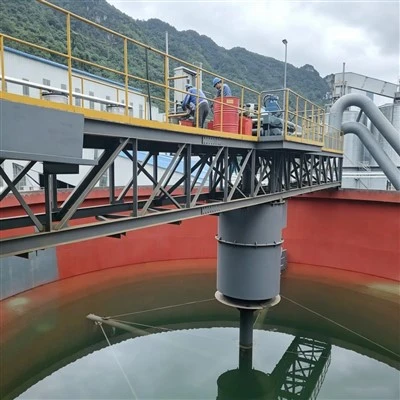
Both a Side-Entry Mixer and a Top-Entry Mixer can be used for liquid mixing, circulation, and sedimentation prevention, but they differ significantly in installation method, equipment arrangement, and the resulting flow pattern inside the tank. The most obvious difference is the location where the mixing equipment enters the tank. A Side-Entry Mixer is installed through the side wall of the tank, while a Top-Entry Mixer is generally installed at the top, with the mixing shaft extending downward into the tank.
During operation, a Side-Entry Mixer uses a mixing shaft that enters the vessel from the side. The impeller is positioned inside the liquid and pushes the surrounding material as it rotates. Because the equipment is installed through the side wall, the resulting flow direction and circulation pattern can differ from those produced by a Top-Entry Mixer. Side-entry installation is commonly considered for large storage tanks, liquid storage basins, and applications where the side wall provides a practical location for installing the mixing equipment.
A Top-Entry Mixer, in contrast, is installed above the tank, and the mixing shaft generally extends vertically downward. The impeller is positioned inside the tank and creates liquid movement as it rotates. Because the shaft enters from the top, the equipment arrangement is closely related to the structure and available space above the tank. Therefore, the available overhead space and the arrangement of surrounding equipment should be considered during use.
The material flow produced by the two mixing methods can also differ. A Side-Entry Mixer generally pushes the liquid from the side of the tank, creating horizontal or circulating movement, while a Top-Entry Mixer can create different flow patterns depending on the impeller and equipment arrangement. The actual flow conditions are also affected by the vessel shape, material properties, and internal structures. Therefore, the final mixing performance cannot be determined solely by the installation direction.
From the perspective of equipment arrangement, a Side-Entry Mixer can reduce the amount of space required above the tank. If other equipment is already installed on the tank roof or the overhead space is limited, side installation may provide a more practical arrangement. For large storage tanks, side-wall installation can also offer greater flexibility in equipment layout.
A Top-Entry Mixer may be more suitable for applications where there is sufficient space above the tank and where the process is better suited to mixing from the top downward. If the vessel provides convenient access and operating conditions at the top, this installation method can also be practical.
The maintenance and operating methods can also differ. The main components of a Side-Entry Mixer are positioned around the side installation area, so inspection and operation are generally performed around the side of the tank. A Top-Entry Mixer, on the other hand, involves more work around the top installation area. Therefore, the available space, tank structure, and daily operating conditions should be considered.
Neither mixing method is universally better than the other. Each is suitable for different application conditions. A Side-Entry Mixer may be considered for large storage tanks, applications requiring side installation, or situations where overhead space is limited. A Top-Entry Mixer may be considered when sufficient overhead space is available and the process is more suitable for top-entry mixing.
Overall, the main difference between a Side-Entry Mixer and a Top-Entry Mixer is their installation position and the resulting equipment arrangement and flow pattern. The actual choice should be based on the vessel structure, material properties, mixing objectives, available operating space, and maintenance conditions rather than simply on the installation direction.