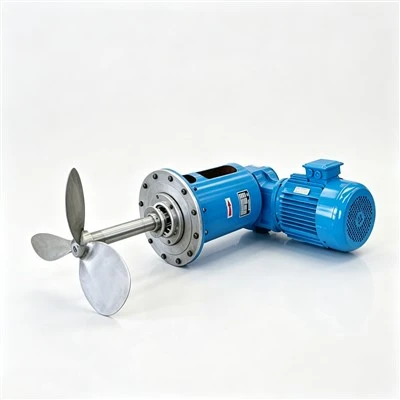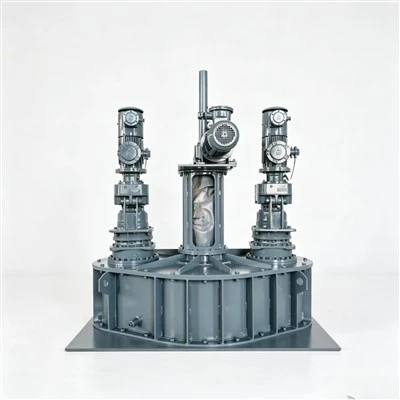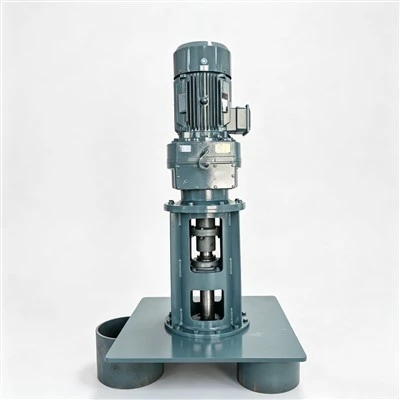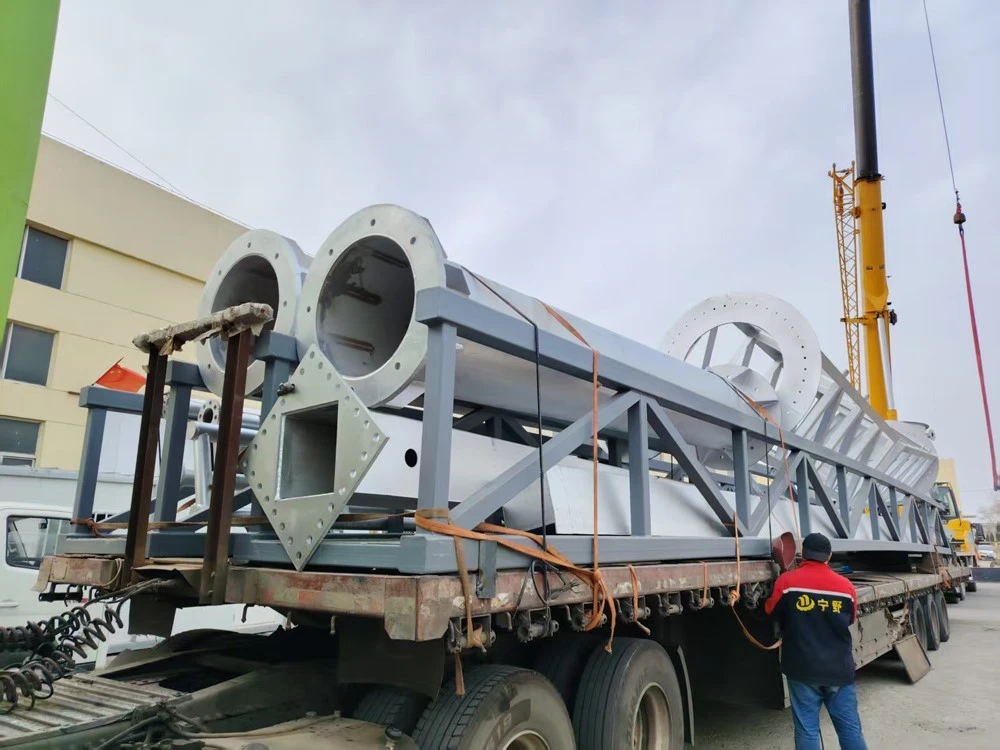
The operating performance of a High Efficiency Sludge Scraper depends not only on the equipment itself but also on the sedimentation tank structure, wastewater characteristics, sludge properties, and routine operating management. Understanding these factors and making appropriate adjustments according to actual conditions can help the equipment collect sludge more effectively and maintain normal sedimentation tank operation.
Sludge characteristics are among the most important factors affecting scraping performance. Wastewater from different sources produces sludge with different settling properties, adhesion, flow characteristics, and moisture content. When sludge settles readily and forms a relatively stable layer, the scraping equipment can generally collect it more easily. However, if the sludge is loose and easily resuspended or has strong adhesive properties, collection and discharge may become more difficult. Understanding sludge characteristics helps operators establish appropriate operating and discharge procedures.
The structure of the sedimentation tank also affects equipment performance. The shape of the tank bottom, the location of the sludge collection area, and the internal tank layout all influence sludge distribution and movement. If sludge accumulates in areas that are difficult for the scraping mechanism to reach, incomplete scraping or localized sludge buildup may occur. Therefore, the operating method must be compatible with the tank structure so that sludge can be moved efficiently toward the designated collection area.
The operating condition of the equipment itself is equally important. The drive system, transmission components, and scraping components must remain in proper working condition. Problems such as transmission abnormalities, loose or worn scraping components, or obstructions during operation may reduce sludge collection efficiency. Operators should monitor whether the equipment runs smoothly and check for unusual noises, vibration, or other abnormal conditions. Inspections should be conducted in accordance with the equipment's operating instructions.
Sludge discharge practices also directly affect actual scraping performance. Even if the scraping mechanism collects sludge properly, delayed discharge from the collection area may lead to excessive accumulation and interfere with subsequent collection. Sludge discharge should therefore be scheduled according to the operating conditions of the wastewater treatment system, avoiding prolonged accumulation in the collection area.
Changes in influent water quality and flow are also important considerations. When the concentration of suspended solids, wastewater flow, or other water quality conditions change, the amount and settling characteristics of the resulting sludge may also change. If sludge production increases significantly and operating procedures are not adjusted accordingly, sedimentation tank performance may be affected, placing additional demands on scraping and discharge operations.
Operational management is another factor affecting scraping performance. Operators should understand the basic working principles of the equipment, monitor sludge accumulation, and adjust operating procedures according to actual conditions. If incomplete scraping, abnormal operating resistance, or restricted sludge discharge occurs, the underlying cause should be identified before corrective measures are taken. Increasing the operating load without investigating the problem may not improve performance and could create additional risks.
In summary, the operating performance of a High Efficiency Sludge Scraper is influenced by sludge characteristics, sedimentation tank structure, equipment condition, sludge discharge practices, influent conditions, and maintenance management. Integrating equipment operation with the overall wastewater treatment process and maintaining a consistent inspection routine can help maximize the effectiveness of a High Efficiency Sludge Scraper.