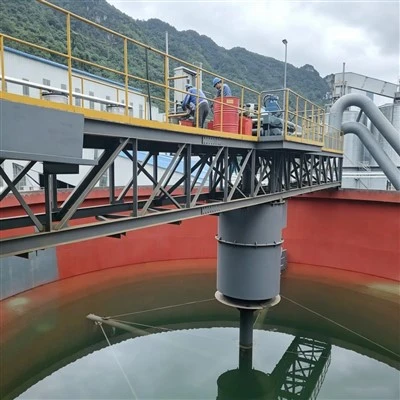
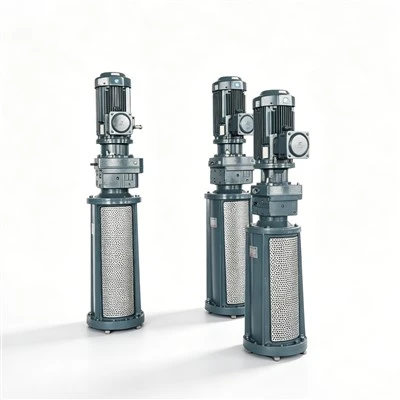
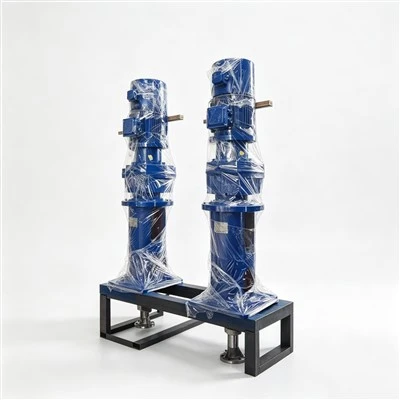
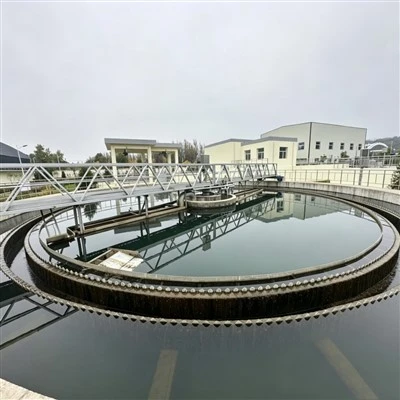
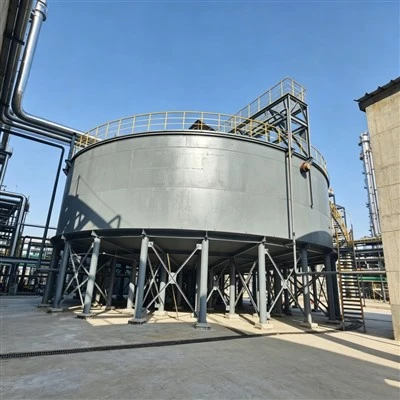
The maintenance and upkeep of industrial mixing equipment begins with daily inspections. Before starting the machinery, operators must verify that the motor, transmission system, mixing shaft, and impeller are in good condition, and confirm that the lubrication system and sealing devices are functioning properly. Additionally, they should check the interior of the mixing tank for any foreign objects or residual materials, and ensure that the material volume remains within the specified limits to prevent equipment damage caused by overloading or dry running. Daily inspections serve as the foundation for ensuring the safe operation of the equipment and extending its service life.
Regular maintenance is also essential while the equipment is in operation. Operators should monitor the motor temperature, rotational speed, current, and the mixing process itself; if any abnormal vibrations, noises, or excessive heat are detected, the equipment must be shut down immediately for inspection. For processes involving highly viscous or strongly corrosive materials, particular attention should be paid to the wear and tear on the impeller and the tank walls, with timely adjustments or impeller replacements performed as needed. The temperature control system, pressurization unit, and sealing system also require periodic checks to ensure the equipment operates safely and stably under various working conditions.
Maintenance procedures performed after shutdown and during scheduled service intervals are equally critical. Once the equipment has ceased operation, the power supply must be disconnected-and it must be confirmed that the impeller has come to a complete stop-before any cleaning or maintenance work is undertaken. The mixing tank, impeller, and associated piping should be thoroughly cleaned to prevent residual materials from caking or causing corrosion to components. Furthermore, bearings, seals, lubricants, and transmission components should be inspected periodically, with replacements or replenishments carried out whenever necessary. Through scientific and standardized maintenance practices, it is possible not only to extend the equipment's service life and enhance mixing efficiency but also to ensure production safety and the consistent quality of the final product.