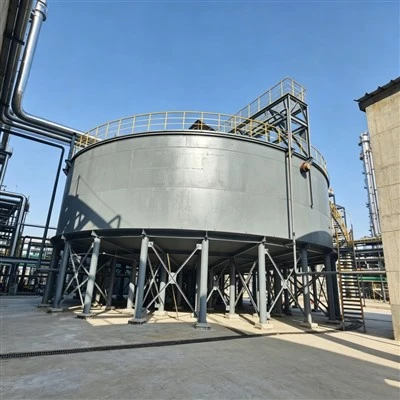
The structural design, impeller type, and mixing parameters of industrial mixing equipment must be optimized based on material characteristics-including viscosity and density-as well as specific process requirements. This ensures that materials undergo thorough mixing, dispersion, or emulsification during the mixing process, while simultaneously minimizing energy consumption and production costs. Through rigorous fluid dynamics analysis and strategic impeller layout design, uniform flow patterns and high-efficiency shear forces can be achieved, thereby enhancing both production efficiency and product quality.
The underlying design philosophy places a strong emphasis on reliability and durability. During operation, the equipment must withstand the rigors of continuous rotation, abrasive wear from high-viscosity materials, and exposure to high-temperature and high-pressure environments. Consequently, critical components-such as the mixing shaft, impellers, mixing vessel, and transmission system-must be fabricated from high-strength, corrosion-resistant materials, ensuring the stability and wear resistance of all key parts. Furthermore, the structural design must incorporate features for vibration damping, leak prevention, and heat dissipation to guarantee the safe and stable operation of the equipment under a wide range of operating conditions.
Modern industrial mixing equipment design increasingly prioritizes intelligence and operational convenience. Advanced automated control systems enable precise regulation of rotational speed, temperature, pressure, and mixing duration, thereby meeting the demands of complex industrial processes and minimizing the potential for human error. Equipment cleaning and maintenance procedures have also been made more user-friendly through features such as detachable impellers, easy-to-clean mixing vessels, and centralized lubrication systems, which facilitate routine upkeep. The overarching design philosophy strives for efficiency, safety, intelligence, and environmental sustainability-aiming not only to fulfill specific production process requirements but also to reduce operating costs and enhance the overall user experience.