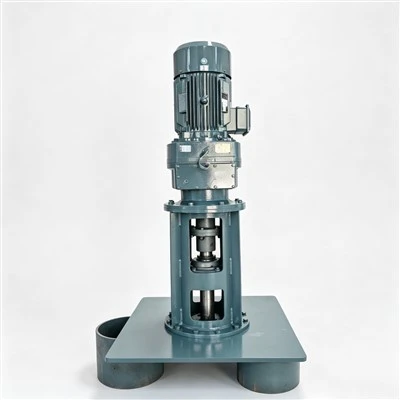
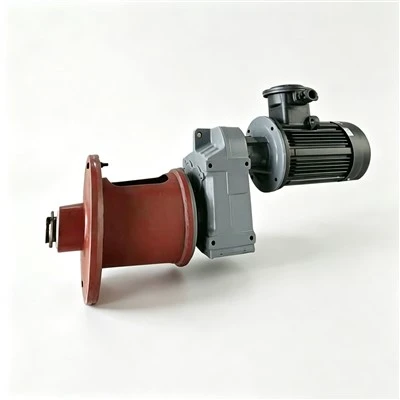
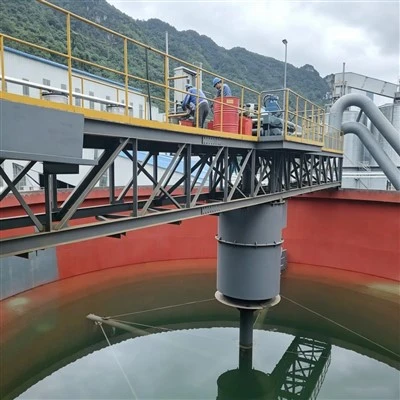
Whether an Industrial Agitator can effectively stir materials at the bottom of a container is a practical concern for many operators during actual production runs. In various material processing and mixing applications, settling of solid powders and sinking of heavy‑density components are widespread phenomena. After prolonged standing, heavier fractions gradually deposit and gather at the container bottom and form sediment layers. If bottom‑side materials fail to receive sufficient agitation, materials inside the whole tank will show inconsistent composition between upper and lower sections, which directly impairs the overall quality of finished materials. Therefore, agitation performance for bottom materials largely determines the final effect of the complete stirring process.
Under most working conditions, the running Industrial Agitator creates directional fluid circulation. Fluid reaches the bottom area of the container and drives settled bottom materials away from the tank base so that these materials join the bulk circulation and mixing, realizing intermingling between upper‑layer and bottom‑layer substances. Nevertheless, this does not guarantee thorough stirring of bottom materials regardless of material states. In real‑world production, multiple objective factors may weaken bottom‑agitation performance. Material viscosity represents one critical influencing factor. When viscosity stays at a low level and material flowability remains favorable, fluid travels smoothly toward the tank bottom and delivers satisfactory stirring performance for settled deposits. As material viscosity rises, flow resistance increases correspondingly, the range of fluid movement becomes restricted, and flow force reaching the tank base drops. Weak‑flow zones tend to form near the bottom, which significantly reduces the turnover efficiency of settled substances.
The thickness of sediment layers also produces notable impacts. Thin sediment formed through natural settling can easily be broken up and lifted by fluid impact generated by the Industrial Agitator, so that bottom deposits merge into bulk materials. However, after long‑term static storage, thick, compact sediment may form at the bottom. Pure fluid thrust produced by the agitator can hardly break up and lift such densely packed deposits. Particles inside compact sediment squeeze and adhere to one another, and fluid impact cannot destroy the stacked structure. Even if upper‑layer materials appear well‑mixed, compact deposits may still remain unstirred at the tank bottom.
Material liquid level inside the container also changes bottom‑stirring outcomes. Within a proper liquid‑level range, fluid circulation paths formed by agitation remain complete, and flow streams move downward smoothly toward the base. An excessively low liquid level breaks the circulation system due to insufficient material coverage, and downward‑directed flow loses power for adequate action on bottom materials. An overly high liquid level brings drawbacks as well. Greater overall material depth consumes energy of downward‑moving fluid, and force arriving at the container bottom attenuates, which deteriorates bottom‑agitation performance.
Many operators assume that bottom materials will always get fully agitated once the unit starts. Objective limitations imposed by working conditions should not be ignored in practical production. To achieve thorough stirring for bottom‑side substances, operating conditions should match material properties. Avoid prolonged static storage that creates thick compacted sediment; perform agitation while deposits are newly formed for easiest breakup and stirring. Maintain appropriate filling liquid levels and avoid unfavorable overly‑high or overly‑low states. Fully recognize resistance brought by material viscosity and solid‑particle content. Reasonable understanding of equipment capabilities helps maximize sufficient turnover of bottom materials and minimize residual sediment for consistent mixing quality across the whole tank.