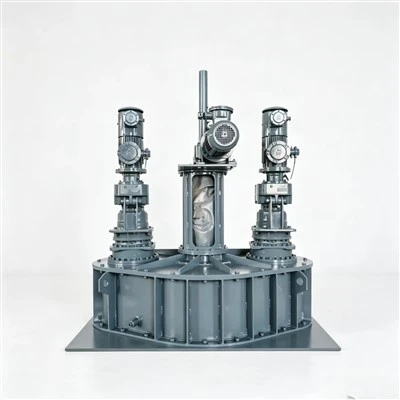
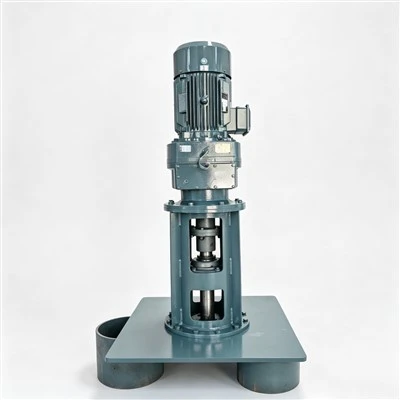
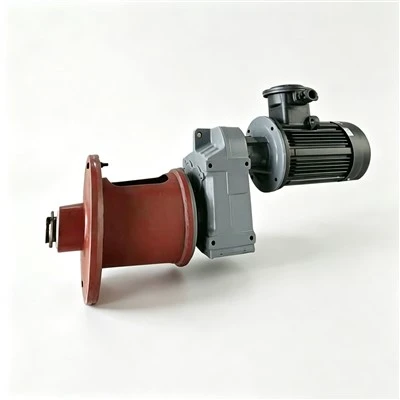
The High-Power Mixer undergoes targeted optimization for low-temperature working conditions, enabling reliable startup and consistent operation in most industrial cold environments. It fully meets the usage demands of winter workshops, northern factories and production rooms with controlled low temperatures, eliminating common flaws of standard mixers such as startup failure, abnormal operation and performance degradation in cold environments.
The core power and transmission systems of the High-Power Mixer are refined with cold-resistant manufacturing techniques. Key rotating and driving components adopt structural designs and raw materials compatible with a wide temperature range, delivering strong cold resistance and reliable stability. Under conventional low-temperature environments, including temperatures around zero degrees Celsius and sub-zero temperatures commonly seen in industrial settings, the High-Power Mixer starts smoothly without lag. There is no risk of frozen components, stiffened transmission systems or obstructed power output. After startup, rotational speed and power output remain constant, without weakened mixing force, operational shaking or abnormal noise as temperatures drop. Its overall mixing performance stays consistent with operation at room temperature, allowing complete homogenization of all materials as required.
Minor operational impacts in cold environments stem from raw materials rather than the equipment itself. At low temperatures, viscous substances such as coatings, adhesives, grease and slurries experience reduced fluidity and slight thickening, marginally increasing mixing loads if fed directly. However, the abundant power reserve of the High-Power Mixer easily offsets this extra load, maintaining thorough blending without uneven mixing or residual agglomerates. For extremely frigid environments, simple pre-warming or dilution of raw materials instantly restores the machine' s normal working efficiency.
Furthermore, the High-Power Mixer features tight overall sealing, preventing water vapor condensation and frozen internal components in cold spaces. Outer casings, control parts and transmission structures will not crack, jam or malfunction under low temperatures, ensuring stable and safe operation of the whole machine. Compared with small ordinary mixers that easily stall, struggle to start or shut down due to overload in cold weather, the High-Power Mixer holds distinct advantages in low-temperature adaptability. It operates reliably through seasonal temperature fluctuations, sustaining non-stop production in cold workshops and eliminating costly production downtime caused by low ambient temperatures, greatly improving manufacturing stability and continuity.