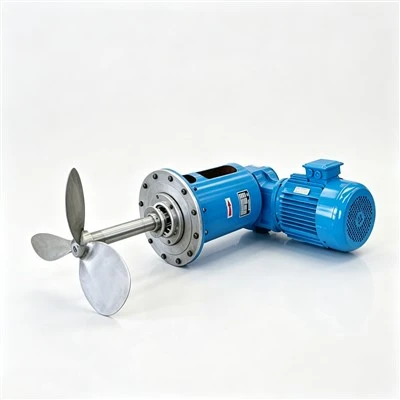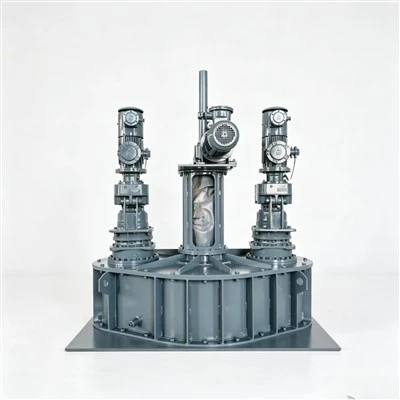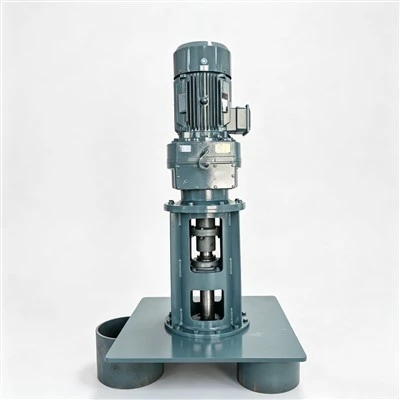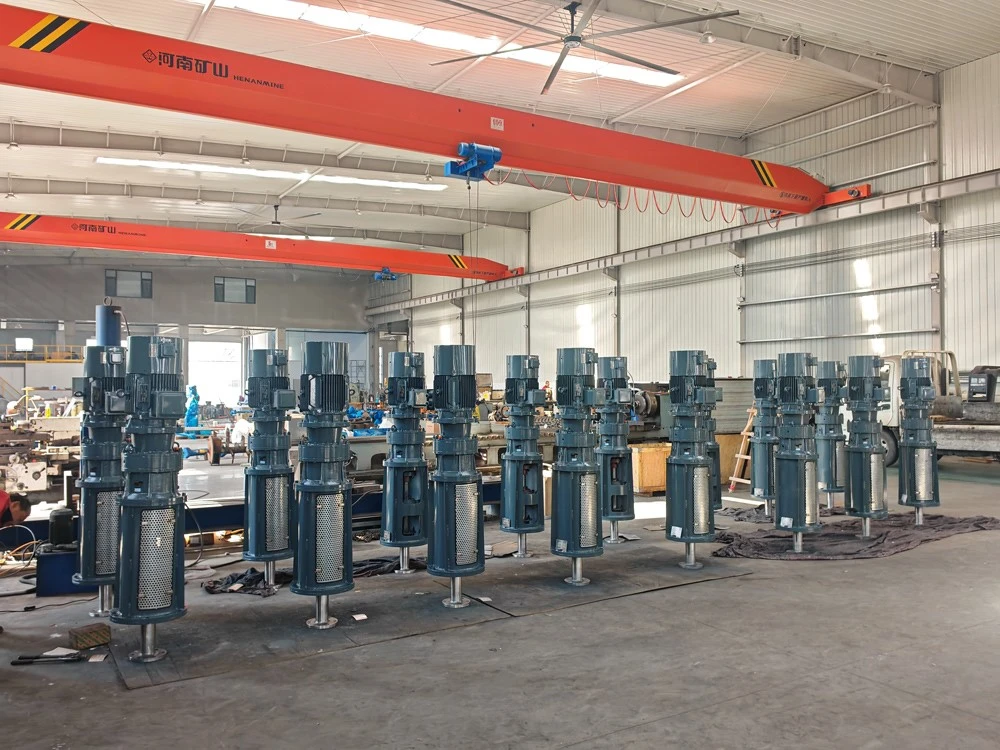
A Vertical Agitator offers a relatively wide range of material-processing applications. Depending on its structural design and mixing method, it can be used for blending liquids, slurries, suspended materials, powders, and certain granular raw materials. In the chemical, food processing, pharmaceutical, environmental protection, building materials, and other industrial sectors, different production processes have different mixing requirements. Therefore, suitable Vertical Agitators should be selected according to the actual properties of the materials.
First, a Vertical Agitator can be used for mixing various liquid materials. Examples include liquid raw materials used in chemical production, liquid ingredients in food processing, liquid components in the daily chemical industry, and certain industrial treatment liquids. These materials often need to be stirred to promote sufficient contact between different components and achieve a more uniform distribution. A Vertical Agitator uses rotating blades to drive liquid circulation and reduce localized concentration differences.
Second, a Vertical Agitator is suitable for certain slurry materials. Slurries generally consist of solid particles suspended in a liquid medium and may be prone to particle settling, localized aggregation, or uneven distribution. In the chemical, building materials, mineral processing, and environmental protection industries, some slurries require continuous stirring to maintain their flow characteristics and dispersion. A Vertical Agitator uses continuous mechanical action to help disperse solid particles in the liquid and reduce sedimentation.
Third, a Vertical Agitator can be used for stirring suspended materials. During wastewater treatment and certain industrial liquid-processing operations, chemicals, solid particles, or other ingredients may need to be evenly dispersed in a liquid. Continuous stirring helps maintain a relatively uniform material distribution and improves the stability of subsequent treatment processes.
Fourth, certain Vertical Agitators can also be used for mixing powder materials. Examples include chemical powders, food additives, feed ingredients, and certain building material powders. During production, these materials may need to be blended with other powders or liquid ingredients. For powders suitable for vertical mixing, the equipment uses its mixing components to keep the materials moving and promote contact and distribution between different ingredients.
Fifth, a Vertical Agitator can also process certain granular materials. For example, some food granules, chemical granules, and other industrial particles may require mixing or pretreatment. Through an appropriate mixing method, different granular materials can continuously exchange positions, improving the overall mixing condition.
In addition, a Vertical Agitator may be suitable for certain materials with a degree of viscosity. However, these materials place greater demands on the mixing structure and driving capacity of the equipment. When processing highly viscous materials, materials that tend to form lumps, or materials with poor flow characteristics, special attention should be paid to the mixing blade design, equipment operating load, and actual mixing performance. It should not be assumed that every Vertical Agitator is suitable for these materials.
Overall, a Vertical Agitator is mainly used for mixing liquids, slurries, suspended materials, powders, and certain granular raw materials. It provides practical solutions for material blending, dispersion, and homogenization across a wide range of industrial applications.