Motor System
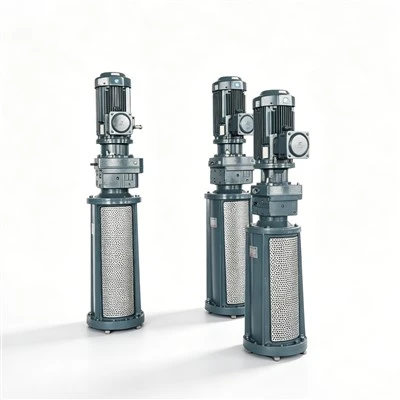
The motor serves as the power source for the mixing equipment; typically, motors of varying power outputs are selected based on the scale of the equipment and the specific characteristics of the materials being processed. The transmission system-comprising gears, belts, couplings, or variable frequency drives-is responsible for transmitting the motor's rotational power to the mixing shaft. It also allows for the adjustment of rotational speed to meet the specific mixing requirements of different materials.
Mixing Shaft
The mixing shaft is the core component connecting the motor to the impeller. It is typically fabricated from high-strength stainless steel or specialized alloys to ensure stability and corrosion resistance during prolonged operation. The impeller acts as the direct working element of the mixing equipment; its shape, angle, and quantity directly determine the effectiveness of the mixing process. Common impeller types include paddle, turbine, anchor, and shear impellers. These designs generate distinct flow patterns-such as axial, radial, or shear flows-to accommodate the specific mixing, dispersion, or emulsification requirements of various materials.
Mixing Tank
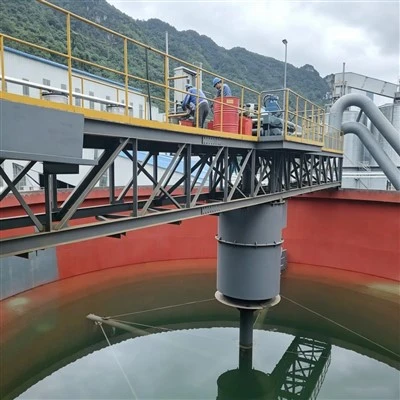
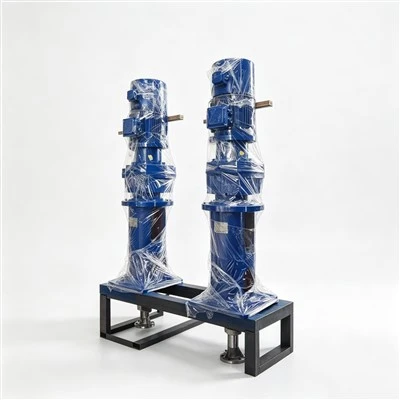
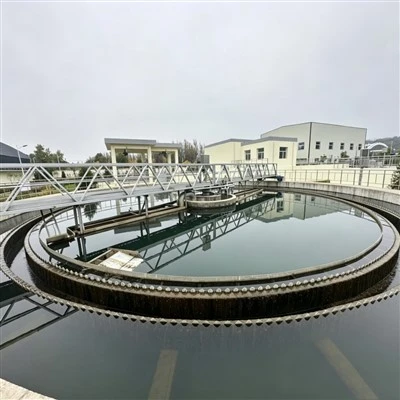
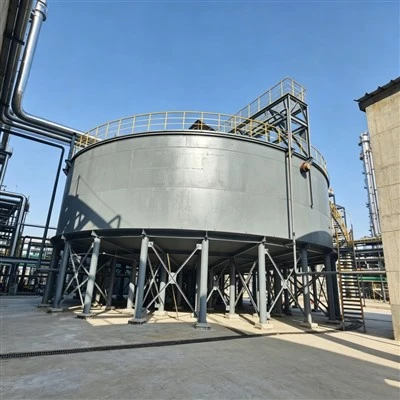
The tank serves as the vessel containing the materials; it is typically constructed from corrosion-resistant metals or specialized alloys capable of withstanding high temperatures, high pressures, or chemical corrosion. The interior of the tank may be designed with baffles or heating/cooling jackets to optimize material flow and facilitate temperature control. The supporting structure ensures the overall stability of the equipment, preventing vibration and misalignment while facilitating ease of installation and maintenance. Large-scale equipment is typically outfitted with a base, support legs, or a fixed framework to bear the weight of the entire assembly.
Safety System
Modern industrial mixing equipment is frequently equipped with automated control systems designed to regulate parameters such as rotational speed, temperature, and mixing duration. Furthermore, some units incorporate additional safety protection mechanisms-such as overload protection, seal integrity monitoring, and temperature alarm systems-to prevent equipment malfunctions and mitigate operational risks.