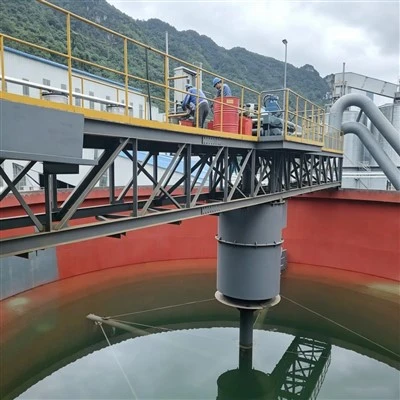
The primary advantage of scraper equipment lies in its highly efficient solid-liquid separation capabilities. It is designed to continuously scrape sediment, sludge, or suspended solids from the bottom of sedimentation tanks or thickeners, conveying them via a sludge discharge mechanism to an outlet, thereby achieving effective separation between solids and liquids. Compared to manual cleaning or traditional sludge removal methods, scraper systems offer continuous operation and high processing efficiency; they are capable of meeting the operational demands of high-flow and high-concentration slurry environments while simultaneously maintaining the stability and clarity of the supernatant liquid.
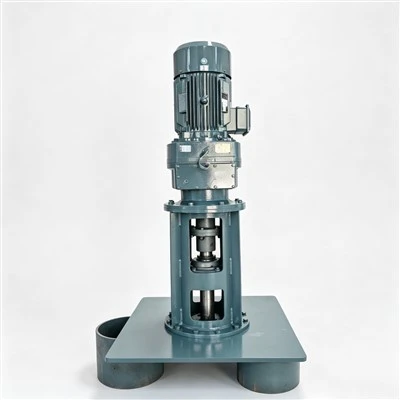
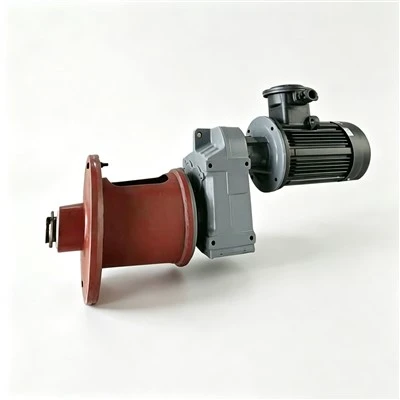
Secondly, scraper equipment boasts the advantages of a simple structure, stable operation, and a high degree of automation. Modern scraper systems typically utilize electric motor or hydraulic drives-integrated with gear reducers and scraper assemblies-to facilitate constant-speed operation and scheduled sludge discharge. The equipment operates smoothly with minimal vibration, and through the implementation of PLC or variable frequency control systems, it enables automated management, thereby reducing the physical labor required of operators and enhancing operational safety. Furthermore, the structural simplicity of the equipment facilitates easier maintenance and component replacement, contributing to lower long-term operating costs.
Thirdly, scraper equipment offers broad adaptability as well as environmental and energy-saving benefits. The equipment is suitable for a diverse range of applications-including sewage treatment plants, industrial wastewater treatment facilities, mining tailings ponds, and chemical thickeners-and is capable of processing various types of suspended sediment or sludge. By facilitating continuous sludge discharge and solid-liquid separation, scraper systems not only enhance overall process efficiency but also minimize secondary pollution while conserving water resources and energy. Additionally, the materials used for the equipment-such as stainless steel, carbon steel, or corrosion-resistant alloys-can be selected based on specific process requirements, thereby ensuring stable, long-term operation even in acidic, alkaline, or highly abrasive environments.